
Low-Dose Naltrexone (LDN) in St. Louis, Missouri

What Is Low-Dose Naltrexone (LDN)?
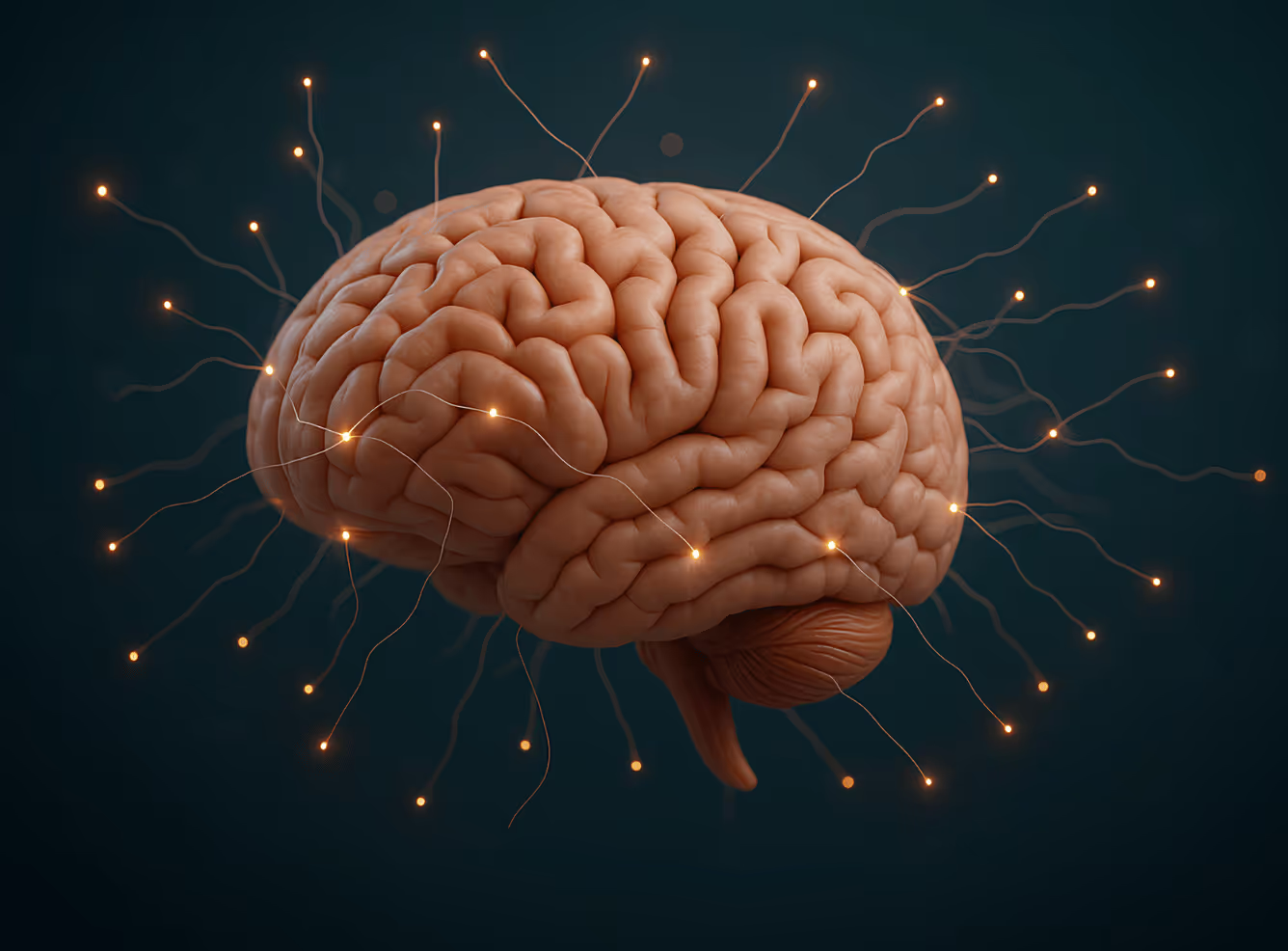
LDN refers to using the medication Naltrexone at a much lower dose than its conventional use. While Naltrexone in standard doses is FDA-approved for opioid and alcohol dependence, when administered in small doses, typically between 1.5 mg and 4.5 mg daily, it can have very different, wellness-oriented effects.
Rather than working as a full opioid receptor blocker, at low doses, Naltrexone briefly modulates opioid and immune signaling, which triggers a rebound increase in the body’s natural endorphins (endorphins/enkephalins) and may help regulate inflammation and immune function.
Because of this mechanism, LDN is sometimes used in a functional medicine context to support immune balance, reduce chronic inflammation, and improve quality of life, especially in complex or poorly understood conditions.
Why Low Dose Naltrexone May Be Right for You
Addresses the Root Cause, Not Just Symptoms
Rather than masking symptoms, LDN works at a deeper level to help regulate immune function and reduce inflammation. This makes it an effective option for individuals seeking a more comprehensive and long-term approach to managing chronic conditions.
Supports a Wide Range of Conditions
LDN has been used as part of care plans for autoimmune disorders, chronic pain, inflammatory conditions, and neurological concerns. Its versatility allows it to be integrated into personalized treatment strategies based on each patient’s unique health needs.
Gentle and Customizable Dosing
LDN is prescribed at very low, carefully adjusted doses tailored to the individual. This allows providers to fine-tune treatment for optimal effectiveness while minimizing potential side effects.
Works Well Alongside Other Therapies
LDN can be safely combined with functional medicine approaches such as nutrition, lifestyle changes, supplementation, and other integrative therapies. This makes it a valuable part of a holistic, patient-centered care plan.

Immune System Modulation
LDN helps regulate immune responses by temporarily blocking opioid receptors, which stimulates the body to increase endorphin production. This process can help calm overactive immune activity while supporting healthier immune balance.
Inflammation Reduction
Chronic inflammation is at the root of many ongoing health conditions. LDN has been shown to help reduce inflammatory signaling in the body, making it a supportive option for individuals managing chronic pain, autoimmune conditions, and inflammatory disorders.
Neurological & Pain Support
By influencing endorphin levels and neuroinflammation, LDN may help reduce pain sensitivity and support nervous system health. Many patients experience improvements in chronic pain conditions and overall neurological function.
Well-Tolerated, Low-Risk Therapy
LDN is generally well tolerated and used at very low doses, which minimizes the risk of side effects. This makes it a favorable option for patients seeking a gentle, long-term supportive therapy as part of a personalized treatment plan.
How We Work. Our Functional Medicine Process

Comprehensive Evaluation
We begin with a detailed review of your health history, lifestyle, and current symptoms. We may also explore environmental, emotional, and genetic factors that could influence your health.
Advanced Diagnostic Testing
Rather than relying solely on standard lab panels, we may order advanced tests to assess hormonal balance, gut health, metabolic function, immune markers, nutrient status, detox pathways, and more. These diagnostics help us detect subtle imbalances or dysfunctions often missed by conventional testing.
Personalized Care Plan
Based on your evaluation and test results, we design an individualized plan, which may include targeted nutrition, lifestyle changes (sleep, stress, exercise), supplement protocols (when needed), hormonal balancing, gut health restoration, and other supportive therapies.
Therapeutic Partnership
We work in close collaboration with you. You're not just a patient, but an active partner in your healing journey. This means education, guidance, support, and gradual, sustainable changes aimed at long-term wellness.
Ongoing Monitoring & Adjustment
Health is dynamic. As your body responds, we re-evaluate and adjust your plan as needed to ensure progress and long-term stability.
Effect Timeline & Realistic Outcomes
LDN is not a quick-fix or immediate cure. Because it works by gently modulating immune and neurochemical pathways, noticeable improvements typically develop gradually over weeks to a few months. Some patients report enhancements in energy, mood, pain, or inflammation within 4–8 weeks of consistent use.
Results vary significantly depending on individual factors: underlying condition, overall health, lifestyle, additional therapies, and consistency of use. While many experience meaningful improvements, others may see modest changes or require additional interventions.


Take the First Step Toward Whole-Body Health
If you’re looking for a different kind of healthcare, one focused on prevention, root-cause resolution, and personalized wellness, we invite you to schedule a Functional Medicine consultation with us. Let’s work together to uncover root imbalances, restore your health, and help you thrive.
Contact us now to book your Functional Medicine evaluation at Health By Design MD.
Frequently Asked Questions
How does Low-Dose Naltrexone work?
LDN works by briefly blocking opioid receptors, which stimulates a rebound increase in the body’s natural endorphins. This process can help regulate immune activity, reduce inflammation, and modulate pain signaling. Because the dose is much lower than standard Naltrexone, its effects are focused on immune and cellular balance rather than addiction treatment.
Is LDN safe?
LDN is generally well tolerated, especially at low doses. Mild side effects may include vivid dreams, temporary sleep changes, digestive upset, or mild nausea. Our team will monitor your progress and adjust dosage as needed to ensure safety.
Can I take LDN with my current medications?
LDN cannot be used with opioid medications, as it can interfere with their effects. Most other medications are typically safe, but our team will carefully review your current regimen to ensure there are no contraindications or interactions.
Is LDN used for autoimmune or chronic inflammatory conditions?
Many functional and integrative medicine practitioners use LDN to support patients with chronic inflammation, autoimmune conditions, pain syndromes, and immune imbalance. While results vary, LDN is often considered when traditional treatments have not provided full relief.
Do I need lab work before starting LDN?
In some cases, we may request baseline labs to evaluate liver function, inflammation markers, or immune status, especially if you have an existing chronic condition. Lab work helps ensure safe and effective dosing.
Is LDN a long-term treatment?
LDN can be used short-term or long-term, depending on your health goals and response. Many patients continue therapy for ongoing support, while others use it for a defined period as part of a larger functional medicine plan.