
Hormones play a critical role in nearly every function of a woman’s body, from energy levels and metabolism to mood, sleep, fertility, and overall well-being. When hormones fall out of balance, even slightly, the effects can be widespread and often misunderstood or dismissed as “normal aging” or stress.
Understanding the most common hormone imbalance symptoms in women can help you recognize when something isn’t right, and when it may be time to seek professional support. At Health By Design, hormonal health is approached through a personalized, root-cause lens that supports long-term balance and vitality.
What Is a Hormone Imbalance?
A hormone imbalance occurs when the body produces too much or too little of one or more hormones. Even small changes can significantly affect how the body functions because hormones act as chemical messengers that regulate key systems.
Common hormones involved in female imbalances include estrogen, progesterone, testosterone, cortisol, DHEA, insulin, and thyroid hormones. These imbalances can occur at any age and are often influenced by stress, nutrition, lifestyle, medical history, and life stages such as perimenopause or menopause.
Common Hormone Imbalance Symptoms in Women
Hormone imbalances rarely present as a single symptom. Instead, they often affect multiple systems at once, which is why many women feel “off” without being able to pinpoint a clear cause. Below are some of the most common signs that hormones may be out of balance.
1. Unexplained Fatigue or Low Energy
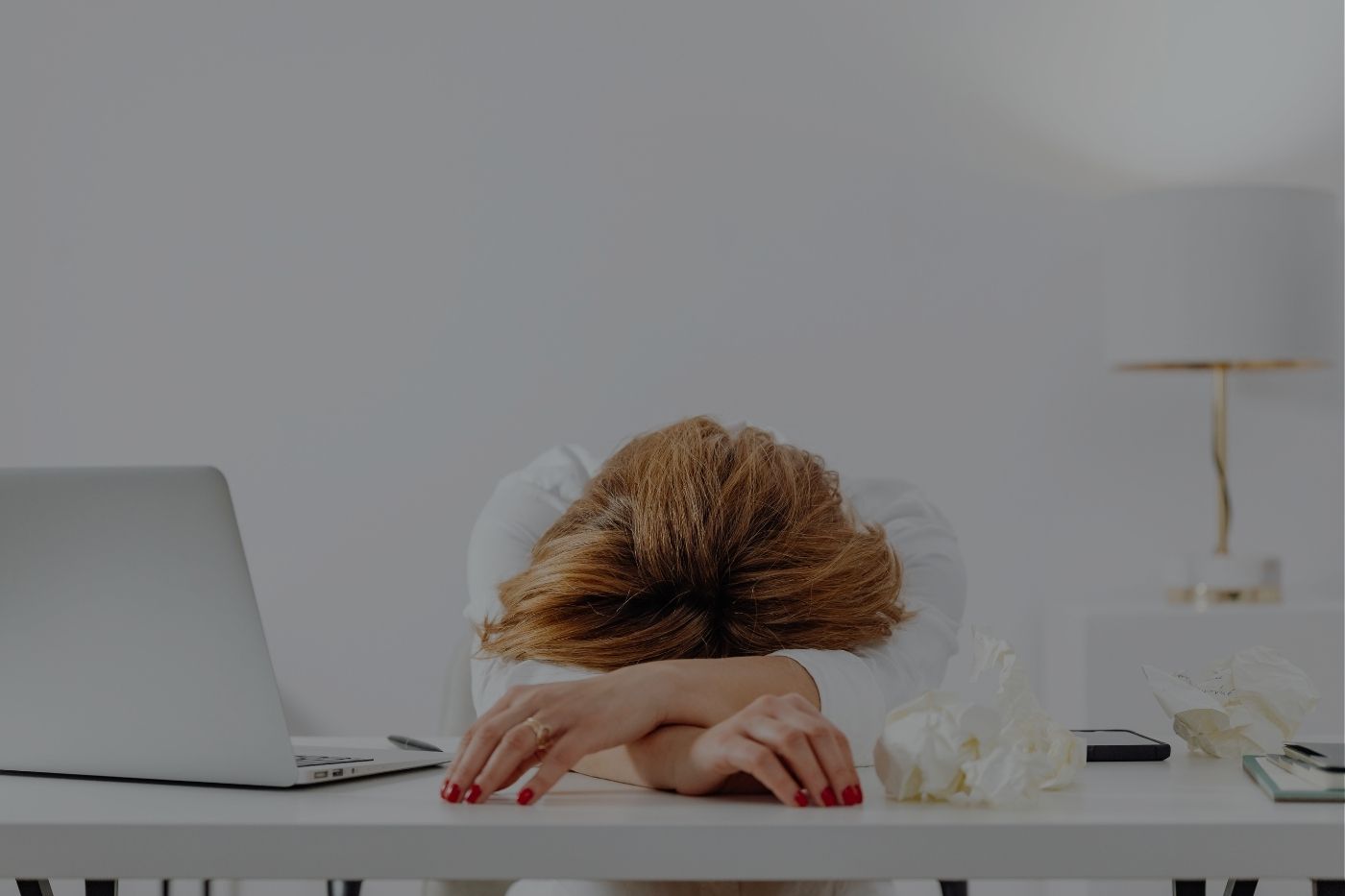
Persistent fatigue that does not improve with sleep or rest is one of the earliest and most common signs of hormonal imbalance. Low thyroid hormone levels can slow metabolism and energy production, while cortisol dysfunction, often related to chronic stress, can leave the body in a constant state of exhaustion. Imbalances in estrogen and progesterone may also interfere with sleep quality and cellular energy, causing women to feel chronically drained even after a full night’s rest. Further complicating the picture is that low energy from hormone imbalances can be a normal adaptation to stress as opposed to a pathological problem. So context is important.
2. Weight Gain or Difficulty Losing Weight
Hormonal imbalances can significantly disrupt metabolism and make weight management feel frustrating or impossible. Insulin resistance can promote fat storage, thyroid dysfunction can slow calorie burning, and estrogen dominance can contribute to fat accumulation, particularly around the abdomen, hips, and thighs. When weight gain occurs despite healthy eating and regular exercise, hormones are often an underlying factor.
3. Mood Swings, Anxiety, or Depression
Hormones play a critical role in regulating neurotransmitters that affect mood and emotional stability. Fluctuations in estrogen and progesterone can increase irritability, anxiety, and mood swings, while elevated cortisol levels may contribute to chronic stress or burnout. These symptoms are frequently treated as standalone mental health issues without addressing the hormonal imbalances that may be driving them.
4. Irregular or Painful Periods
Menstrual cycle changes are a key indicator of hormonal health. Irregular cycles, heavy bleeding, missed periods, severe cramping, or spotting between periods may signal imbalances in estrogen and progesterone. Over time, untreated imbalances can worsen symptoms and increase the risk of conditions such as anemia, fibroids, or hormonal disorders.
5. Sleep Problems or Insomnia
Hormones play a major role in regulating sleep cycles. Imbalances in cortisol can disrupt the body’s natural sleep-wake rhythm, while low progesterone levels may make it difficult to relax and fall asleep. Melatonin production can also be affected by hormonal shifts, leading to frequent nighttime awakenings or waking up feeling unrefreshed. Sleep disturbances often worsen during periods of high stress or hormonal transition.
6. Low Libido or Sexual Discomfort
Changes in sexual desire, vaginal dryness, or discomfort during intimacy are commonly linked to declining estrogen or testosterone levels. These symptoms can affect confidence, intimacy, and overall quality of life. Many women hesitate to discuss sexual health concerns, yet they are often one of the clearest signs of hormonal imbalance and are highly treatable with the right approach.
7. Brain Fog and Trouble Concentrating
Hormonal imbalances can impair cognitive function, leading to brain fog, forgetfulness, difficulty concentrating, or mental fatigue. Estrogen supports brain health and memory, while thyroid hormones regulate mental clarity and focus. Testosterone improves dopamine and supports focus and motivation. When these hormones are out of balance, everyday tasks may feel more mentally exhausting than usual.
8. Hair Thinning or Hair Loss
Noticeable hair thinning or excessive shedding can be alarming and is often linked to hormonal changes. Thyroid disorders, elevated stress hormones, and imbalances in estrogen and testosterone can disrupt the hair growth cycle. Hair changes are frequently an early warning sign that internal hormone balance may be off.
9. Skin Changes and Adult Acne
Hormonal fluctuations can affect oil production, skin hydration, and inflammation. Adult acne, especially along the jawline or chin, is commonly associated with androgen imbalance or insulin resistance. Some women may also experience dry, thinning, or sensitive skin as estrogen levels decline.
10. Worsening PMS or Perimenopausal Symptoms
Severe PMS, increased irritability, breast tenderness, headaches, bloating, or worsening symptoms as menopause approaches may indicate declining progesterone levels or shifting estrogen patterns. These changes often begin years before menopause and tend to intensify without proper support, making early evaluation especially important.
When Should You Seek Help for Hormone Symptoms?
You should consider a professional evaluation if:
- Symptoms persist despite healthy lifestyle habits.
- Multiple symptoms occur at the same time.
- Symptoms interfere with daily life, sleep, or mental health.
- You’ve been told labs are “normal,” but still feel unwell.
Hormone imbalance symptoms are not something women should simply “push through.” Nor do symptoms have to be ‘just getting older’ or ‘just learn to live with it.’
Hormonal Health at Health By Design
At Health By Design, hormone care goes beyond basic testing. A comprehensive, personalized approach is used to evaluate symptoms, lifestyle factors, and lab results together, allowing providers to identify patterns and root causes.
Treatment plans may include targeted nutrition, lifestyle strategies, stress management, and hormone-supportive therapies designed to restore balance safely and effectively.
Frequently Asked Questions
Are hormone imbalance symptoms normal as women age?
Hormonal changes are a natural part of aging, especially during life stages like perimenopause and menopause. However, persistent or disruptive symptoms, such as severe fatigue, mood changes, weight gain, sleep issues, or low libido, are not something women have to simply accept as “normal.” These symptoms often signal underlying imbalances that can be evaluated and managed with the right approach. With personalized care, many women experience significant improvement in both symptoms and quality of life.
Can hormone imbalances happen before menopause?
Yes. Hormone imbalances frequently begin during perimenopause, a transitional phase that can start in the late 30s or early 40s. During this time, estrogen and progesterone levels may fluctuate unpredictably, leading to symptoms such as irregular periods, anxiety, brain fog, and sleep disturbances, sometimes years before menopause officially begins. Early evaluation allows for proactive support rather than waiting for symptoms to worsen.
Do hormone symptoms always show up on standard blood tests?
Not always. Many women experience noticeable symptoms even when hormone levels fall within standard laboratory reference ranges. These ranges are broad and may not reflect what is optimal for an individual. This is why a symptom-based, personalized evaluation, combined with more comprehensive testing when appropriate, is essential for identifying functional imbalances that may be missed with basic labs alone.
Can stress cause a hormone imbalance?
Absolutely. Chronic stress can significantly disrupt hormonal balance by increasing cortisol levels, which in turn affects insulin, estrogen, progesterone, thyroid hormones, and even testosterone. Over time, unmanaged stress can contribute to fatigue, weight gain, mood changes, menstrual irregularities, and sleep problems. Addressing stress is often a key component of restoring hormonal balance.
How long does it take to improve hormone balance?
The timeline varies depending on the individual, the hormones involved, and how long symptoms have been present. Some women begin noticing improvements within a few weeks, while others may take several months to experience full benefits. Because hormonal balance is restored gradually, improvements tend to be more sustainable, especially when treatment focuses on root causes rather than short-term symptom relief.