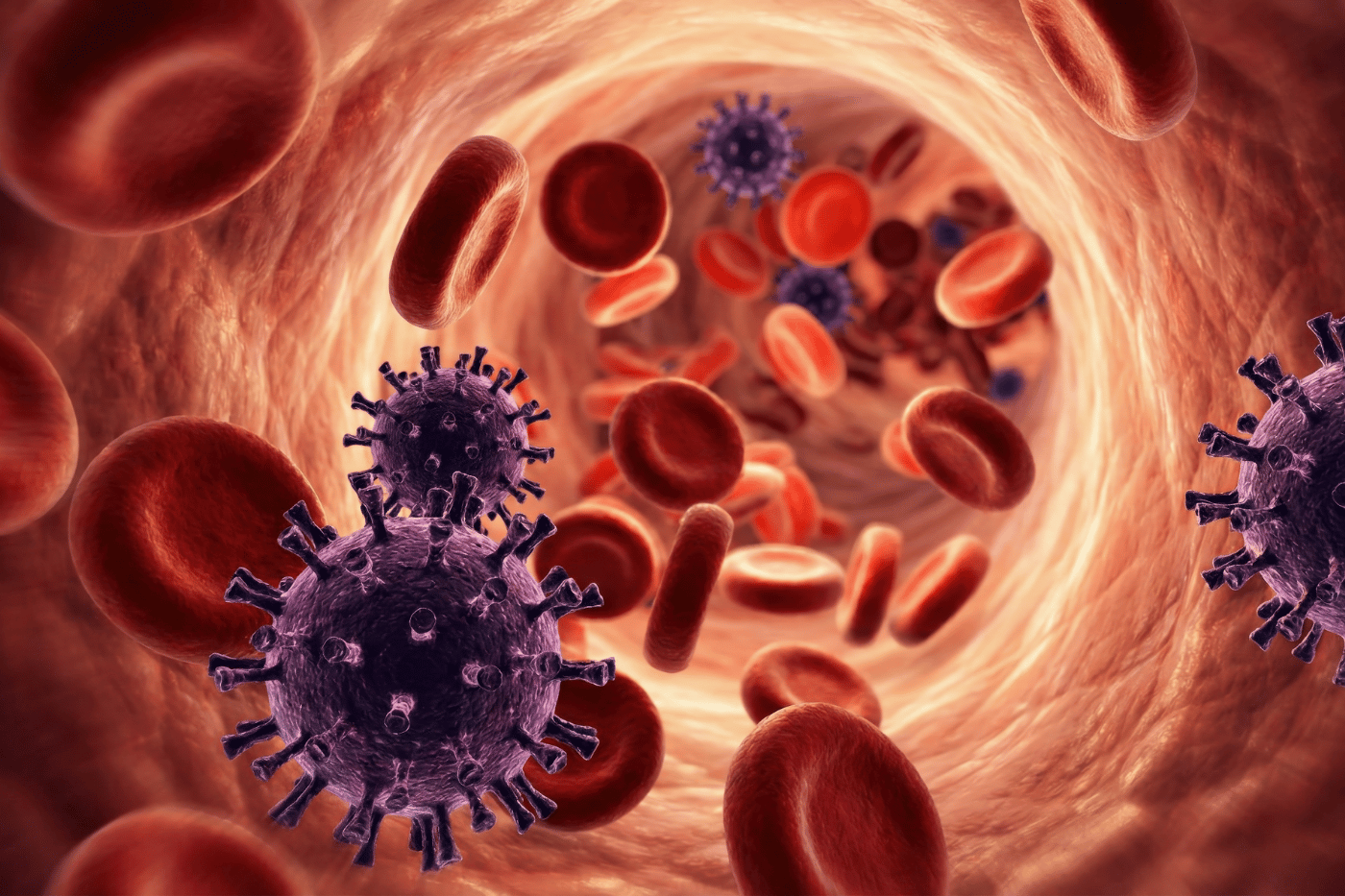

Your immune system works constantly to protect your body. It helps defend against infections, regulate inflammation, support recovery, and even reduce the risk of chronic disease over time. Despite how important it is, many people only start thinking about their immune health once they begin to feel sick.
In functional and preventive medicine, the goal is different. Instead of reacting to illness, the focus is on strengthening the body’s defenses before problems appear.
Nutrition is one of the most important factors influencing immune function. Certain nutrients help immune cells communicate effectively, regulate inflammation, and respond to pathogens. When these nutrients are lacking, the immune system may not perform as efficiently as it should.
Below are five key nutrients that play an essential role in immune health, along with ways to include them in your diet and when supplementation may be helpful.
1. Vitamin D: A Key Regulator of Immune Function
Vitamin D is widely known for supporting bone health, but it also plays a central role in immune regulation. In fact, many immune cells contain vitamin D receptors, allowing this nutrient to directly influence how the immune system activates and responds to threats.
Adequate vitamin D levels help regulate inflammatory responses, support T-cell function, and assist the body in defending against certain infections, particularly respiratory illnesses.
Despite its importance, vitamin D deficiency is extremely common. This is especially true in areas with limited sun exposure during fall and winter, when the body’s natural production of vitamin D decreases.
Food Sources of Vitamin D
Although sunlight remains the primary source, certain foods can help increase your intake:
- Fatty fish such as salmon, sardines, and mackerel
- Egg yolks
- Cod liver oil
Even with a healthy diet, many people struggle to maintain optimal vitamin D levels. Testing can help determine whether supplementation may be beneficial.
At Health by Design, vitamin D is often evaluated as part of a broader preventive health assessment to ensure levels are adequate for long-term immune resilience.
2. Zinc: Essential for Immune Defense
Zinc is a trace mineral that plays a crucial role in immune cell development and communication. Even mild deficiencies can affect how well the immune system responds to infections.
This mineral supports the activation of white blood cells, assists antiviral defenses, and contributes to wound healing and tissue repair. Zinc also helps maintain protective barriers in the body, including the skin and the gut lining.
Low zinc levels can occur for several reasons. People who consume limited animal protein, follow vegetarian or vegan diets, experience digestive issues, or live with chronic stress may be more likely to develop deficiencies.
Food Sources of Zinc
You can improve zinc intake by including foods such as:
- Grass-fed beef
- Oysters and shellfish
- Pumpkin seeds
- Lentils and chickpeas
While food should always be the priority, targeted supplementation may sometimes be recommended. Because excessive zinc intake can disrupt the balance of other minerals, professional guidance is important.
3. Vitamin C: An Antioxidant That Supports Immune Function
Vitamin C is one of the most well-known nutrients associated with immune health. However, its benefits extend far beyond the common cold.
This powerful antioxidant helps protect immune cells from oxidative stress while supporting their ability to respond to infections. Vitamin C also contributes to the strength of epithelial barriers, such as the skin and respiratory lining, which act as the body’s first line of defense.
Another important role of vitamin C is supporting the regeneration of other antioxidants in the body, helping maintain overall cellular health.
Stress can significantly increase the body’s need for vitamin C. Individuals experiencing high workloads, poor sleep, or metabolic strain may benefit from higher intake.
Food Sources of Vitamin C
Many fruits and vegetables provide excellent sources of vitamin C, including:
- Red bell peppers
- Broccoli
- Brussels sprouts
- Strawberries
- Kiwi
- Citrus fruits
A balanced diet rich in colorful produce often provides adequate vitamin C, though certain individuals may benefit from additional supplementation depending on their health needs.
4. Omega-3 Fatty Acids: Supporting a Healthy Inflammatory Response
Inflammation plays an important role in immune defense, but chronic or excessive inflammation can place stress on the immune system over time.
Omega-3 fatty acids help regulate inflammatory pathways and support balanced immune signaling. These healthy fats also contribute to cell membrane health, allowing immune cells to communicate more effectively.
Unfortunately, many modern diets contain significantly more omega-6 fats than omega-3s, which may contribute to an inflammatory imbalance.
Food Sources of Omega-3s
Increasing omega-3 intake can help restore balance. Good sources include:
- Wild-caught salmon
- Sardines
- Chia seeds
- Flaxseeds
- Walnuts
In some cases, healthcare providers may recommend high-quality fish oil supplements to help achieve optimal levels.
5. Magnesium: Supporting Stress, Sleep, and Immune Balance
Magnesium is involved in hundreds of biochemical processes throughout the body, including many that influence immune function.
This mineral helps regulate stress hormones, supports healthy sleep patterns, and contributes to balanced inflammatory responses. Magnesium is also required for the activation of vitamin D, making it an important partner nutrient for immune health.
Because stress can deplete magnesium levels, individuals with demanding schedules, poor sleep habits, or high stress may be especially likely to benefit from increasing their intake.
Food Sources of Magnesium
Magnesium-rich foods include:
- Spinach and leafy greens
- Almonds and other nuts
- Avocados
- Black beans
- Dark chocolate (70% cacao or higher)
In certain situations, well-absorbed forms of magnesium may be recommended to support relaxation and nervous system balance.
The Gut–Immune Connection
An often overlooked aspect of immune health is the gut. Approximately 70% of the immune system is associated with the digestive tract, making gut health a key factor in immune function.
Even when someone follows a nutrient-rich diet, issues such as digestive imbalances, chronic stress, or inflammatory eating patterns can interfere with nutrient absorption.
Factors that may affect immune health through the gut include:
- Imbalances in the microbiome
- Food sensitivities
- Increased intestinal permeability
- Chronic stress
- Diets high in processed foods
Addressing gut health can therefore play an important role in improving immune resilience.
Lifestyle Habits That Support Immune Health
Nutrition is only one piece of the immune health puzzle. Lifestyle habits also influence how effectively the immune system functions.
Some of the most impactful habits include:
- Prioritizing 7–8 hours of quality sleep
- Engaging in regular physical activity
- Managing stress effectively
- Maintaining stable blood sugar levels
- Limiting highly processed foods
When these factors work together with balanced nutrition, the immune system is better equipped to respond to daily challenges.
When Supplementation May Be Helpful
While whole foods should always provide the foundation for nutrient intake, supplementation may be appropriate in certain situations, such as:
- Confirmed nutrient deficiencies
- Frequent illness or slow recovery
- Chronic inflammation
- High stress levels
- Recovery from infection or illness
Because individual needs vary, personalized guidance can help ensure supplements are both safe and effective.
The Role of Preventive Testing
Rather than relying on guesswork, many functional and preventive care practices use laboratory testing to evaluate nutritional status and metabolic health.
These tests may include assessments of vitamin D levels, inflammatory markers, stool testing, or broader micronutrient panels. Understanding these markers can help guide more personalized health strategies.
Building Long-Term Immune Resilience
Supporting your immune system isn’t about a single supplement or quick fix. It’s the result of consistent habits, nutrient-dense foods, quality sleep, stress management, and a balanced lifestyle.
By paying attention to these foundational elements, you can help your body stay resilient and better prepared to handle everyday challenges.
If you're interested in taking a more proactive approach to your health, working with a preventive or functional medicine provider can help identify the factors that matter most for your individual needs, contact us now!