
Your 40s are a critical decade for long-term health. Many chronic conditions, including heart disease, diabetes, hormonal imbalances, and certain cancers, often begin developing silently years before symptoms appear. This is why preventive health screenings are so important.
Through Preventive Medicine, early detection allows potential health issues to be identified and addressed before they become more complex or harder to treat. At Health By Design, preventive care focuses on proactive, personalized screening strategies that support long-term wellness and healthy aging.
Why Preventive Screenings Matter in Your 40s
As metabolism slows, hormone levels shift, and cumulative lifestyle factors begin to impact health, the risk of chronic disease increases. Preventive screenings help:
- Detect conditions before symptoms appear.
- Reduce the risk of serious complications.
- Guide personalized lifestyle and treatment decisions.
- Support longevity and quality of life.
Rather than waiting for problems to arise, preventive care empowers you to stay ahead of your health.
10 Essential Preventive Health Screenings in Your 40s
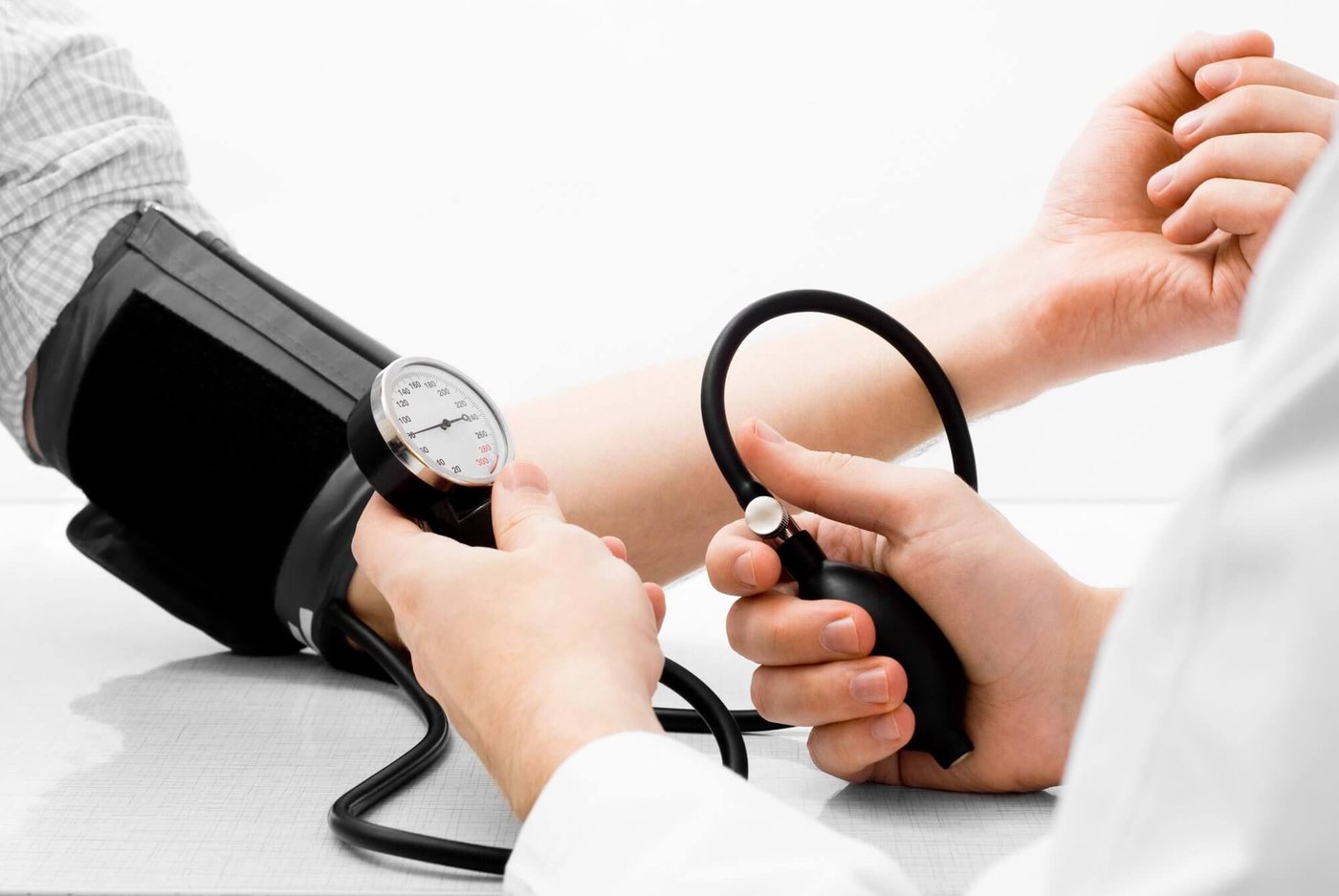
1. Blood Pressure Screening
High blood pressure, also known as hypertension, is often called a “silent condition” because it typically causes no noticeable symptoms. Left untreated, it significantly increases the risk of heart disease, stroke, kidney disease, and vision problems. Regular blood pressure monitoring helps identify early trends, allowing lifestyle changes or treatment to begin before permanent cardiovascular damage occurs.
2. Cholesterol & Lipid Panel
A comprehensive lipid panel measures total cholesterol, LDL (“bad” cholesterol), HDL (“good” cholesterol), and triglycerides. In your 40s, hormonal changes, stress, and metabolic shifts can cause cholesterol levels to rise, even in individuals who have previously had normal results. Routine lipid testing helps assess cardiovascular risk and guides personalized nutrition, exercise, and treatment strategies.
3. Blood Sugar & Diabetes Screening
Blood sugar screenings, including fasting glucose and hemoglobin A1C, evaluate how effectively your body manages blood sugar over time. These tests can identify insulin resistance or prediabetes long before type 2 diabetes develops. When caught early, lifestyle interventions such as nutrition changes, physical activity, and stress management can often prevent or delay disease progression.
4. Hormone Level Testing
Hormonal changes often begin years before noticeable life-stage transitions such as menopause or andropause. Testing key hormones, including estrogen, progesterone, testosterone, cortisol, and others, can help explain symptoms like fatigue, weight gain, sleep disturbances, mood changes, brain fog, and decreased libido. Early hormone assessment allows for proactive management rather than reactive treatment.
5. Thyroid Function Testing
The thyroid plays a critical role in regulating metabolism, energy, body temperature, and mood. Thyroid disorders are common and frequently missed, especially in individuals experiencing unexplained fatigue, weight changes, anxiety, or depression. Comprehensive thyroid testing helps identify imbalances that standard screenings may overlook, supporting more accurate diagnosis and treatment.
6. Cancer Screenings (Age & Risk-Based)
Cancer screenings are tailored based on age, sex, family history, and personal risk factors. In your 40s, recommended screenings may include:
- Breast cancer screenings, such as mammograms
- Cervical cancer screenings, including Pap tests and HPV testing
- Prostate cancer screenings, depending on risk factors
- Colorectal cancer screenings, especially for those with a family history or early risk factors
In addition to traditional screenings, some patients may consider the Galleri® multi-cancer early detection blood test. This test screens for signals associated with multiple types of cancer from a single blood draw. While it does not replace standard, guideline-recommended screenings, it may serve as a complementary tool for individuals interested in a more proactive approach to cancer detection.
7. Body Composition & Metabolic Health Assessment
Traditional weight measurements do not tell the full story. Body composition and metabolic assessments evaluate factors such as fat mass, lean muscle mass, and metabolic efficiency. These insights help identify cardiovascular risk, metabolic imbalance, and unhealthy trends early, supporting more effective weight management and long-term health planning.
8. Inflammation Markers
Chronic, low-grade inflammation is a major contributor to heart disease, autoimmune conditions, metabolic disorders, and cognitive decline. Screening inflammation markers can reveal underlying stress on the body even when symptoms are mild or absent. Addressing inflammation early helps reduce disease risk and supports overall system balance.
9. Vitamin & Nutrient Levels
Nutrient deficiencies are common and can significantly impact energy levels, immune health, mood, and cognitive function. Testing levels of vitamin D, B vitamins, iron, magnesium, and other key nutrients helps identify imbalances that may contribute to fatigue, weakened immunity, or poor recovery. Targeted supplementation and dietary changes can then be used to restore optimal levels.
10. Mental Health & Stress Evaluation
Chronic stress, anxiety, depression, and poor sleep can negatively affect nearly every system in the body, increasing the risk of cardiovascular disease, hormonal imbalance, and immune dysfunction. Evaluating mental and emotional health is an essential part of preventive care, helping identify burnout, stress overload, or mood disorders before they lead to more serious health concerns.
How Early Detection Supports Long-Term Wellness
Preventive screenings don’t just identify problems; they provide valuable data that helps guide personalized health strategies. When potential imbalances are identified early, patients often have more options, fewer complications, and better long-term outcomes.
This proactive approach shifts healthcare from reactive treatment to strategic prevention.
Preventive Care at Health By Design
At Health By Design, preventive health screenings are tailored to each individual based on age, lifestyle, family history, and health goals. Rather than a one-size-fits-all checklist, screenings are used as a foundation for personalized care plans that support optimal health over time.
Frequently Asked Questions
How often should preventive screenings be done in your 40s?
Most basic screenings are recommended annually, while others may be done every few years depending on risk factors, medical history, and previous results.
Are preventive screenings only for people with symptoms?
No. Preventive screenings are most effective before symptoms appear, allowing early intervention and reducing the risk of chronic disease progression.
Can lifestyle changes really impact screening results?
Yes. Nutrition, exercise, sleep, and stress management can significantly improve many screening markers, especially when issues are identified early.
When should I start preventive care if I feel healthy?
Now. Feeling well does not always mean everything is functioning optimally. Preventive care helps maintain health and catch potential issues early.