When it comes to heart health, timing can make all the difference. Heart disease remains one of the leading causes of death worldwide, yet many cardiac events are preventable or at least manageable when risks are identified early.
The challenge? Most heart conditions don’t announce themselves loudly. They develop quietly, often without obvious symptoms, until a serious event forces action.
Heart health early detection is about changing that timeline, understanding your risks, recognizing early signals, and taking action before small imbalances become life-threatening conditions.
The Reality of Heart Disease: Why Early Detection Changes Everything
Heart disease doesn’t usually start with a heart attack. It starts years earlier, with subtle changes in blood pressure, cholesterol, blood sugar, inflammation, and daily habits.
Many people feel “fine” right up until something goes wrong. Unfortunately, by then, damage may already be done.
Early detection allows you to:
- Identify cardiovascular risks before symptoms appear
- Intervene before permanent damage occurs
- Reduce the risk of heart attacks, strokes, and complications
- Build a personalized prevention plan instead of reacting to a crisis
The earlier heart issues are detected, the more control you have over your long-term health.
Are You at Risk? Common Factors You Shouldn’t Ignore
Heart disease rarely has a single cause. It usually develops as multiple risk factors interact over time. Some are genetic, but many are lifestyle- and metabolism-related—meaning they can be addressed when caught early.
Understanding your personal risk profile is one of the most important steps in preventive heart care.
Key risk factors for heart disease include:
- High blood pressure (hypertension)
Often symptom-free, high blood pressure puts constant strain on the heart and arteries, increasing the risk of heart attack, stroke, and heart failure. - High cholesterol levels
Elevated LDL (“bad”) cholesterol and low HDL (“good”) cholesterol contribute to plaque buildup that restricts blood flow. - Diabetes or insulin resistance
Poor blood sugar regulation damages blood vessels and significantly increases cardiovascular risk, even in early stages. - Smoking or vaping
Tobacco and nicotine damage blood vessels, reduce oxygen delivery, and accelerate plaque formation. - Obesity or excess abdominal fat
Excess weight, especially around the midsection, is closely linked to hypertension, cholesterol imbalance, and insulin resistance. - Sedentary lifestyle
Lack of movement weakens the heart muscle and slows metabolic health. - Chronic stress
Long-term stress raises cortisol, disrupts sleep, and promotes inflammation; all contributors to heart disease. - Family history of heart disease
Genetics matter, particularly when close relatives developed heart disease early in life. - Poor sleep quality or sleep apnea
Inadequate sleep and untreated sleep apnea increase blood pressure, inflammation, and cardiovascular strain.
Even if you feel healthy, having one or more of these factors makes early heart health screening essential, not optional.
When Your Body Whispers: Silent Warning Signs of Heart Disease
One of the most dangerous aspects of heart disease is how quietly it can progress. Early symptoms are often subtle and easy to dismiss as stress, aging, or being “out of shape.”
Your body usually sends signals before a major cardiac event; it’s just a matter of knowing how to listen.
Symptoms that should never be ignored:
- Persistent fatigue or low energy
Ongoing exhaustion may signal reduced blood flow or inefficient oxygen delivery. - Shortness of breath during mild activity
Difficulty breathing with routine tasks can indicate the heart is under strain. - Chest discomfort or pressure
Heart-related sensations aren’t always sharp pain; tightness, heaviness, or burning can all be warning signs. - Dizziness or lightheadedness
Reduced blood flow to the brain may cause faintness or near-blackout episodes. - Heart palpitations or irregular heartbeat
Fluttering, racing, or skipped beats can indicate rhythm disturbances. - Swelling in the legs, ankles, or feet
Fluid retention may signal the heart isn’t pumping efficiently. - Unexplained nausea or indigestion-like discomfort
Particularly in women, heart issues can present as nausea, jaw pain, or upper abdominal discomfort.
If something feels “off” or different from your normal baseline, trust that signal. Early evaluation can prevent serious complications and save lives.
Heart Health Early Detection: Tests That Matter
Detecting heart disease early requires more than a single test. A comprehensive preventive approach looks at multiple markers to understand how your heart, metabolism, and lifestyle are working together.
Common heart health screenings include:
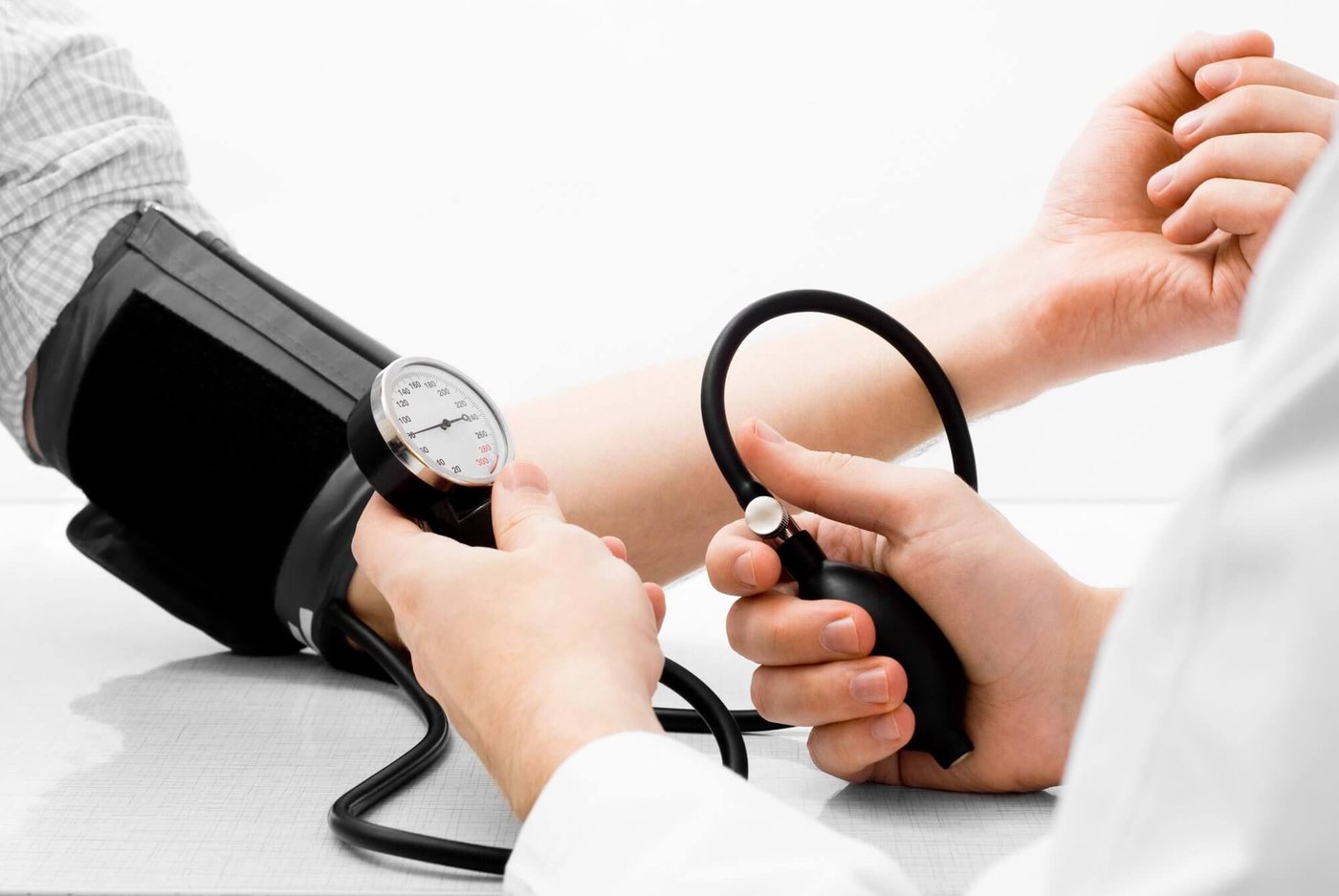
- Blood pressure checks to identify silent hypertension
- Cholesterol and lipid panels to assess plaque-building risk
- Blood sugar and insulin markers to detect insulin resistance or early diabetes
- Inflammatory markers (such as CRP) to uncover hidden cardiovascular inflammation
- Electrocardiogram (ECG/EKG) to evaluate heart rhythm and electrical activity
- Advanced cardiac imaging (when indicated) for deeper structural or blood flow insights
- Lifestyle and metabolic assessments evaluating nutrition, movement, stress, sleep, and body composition
At Health by Design, preventive care goes beyond numbers on a lab report. Clinical data is combined with real-life habits to create a clear, personalized picture of your heart health and a plan you can actually follow.
Prevention Works Best When It’s Personal
Early detection is powerful, but it’s only the first step. The real impact happens when insights are translated into sustainable, daily action.
Heart-healthy habits that make a measurable difference:
- Eating a nutrient-dense, balanced diet
- Prioritizing regular movement and strength training
- Managing stress intentionally
- Improving sleep quality and consistency
- Quitting smoking and limiting alcohol
- Maintaining a healthy weight
- Staying consistent with preventive checkups
Prevention isn’t about perfection; it’s about informed, intentional choices made early.
A Smarter Way to Protect Your Heart
No two hearts are the same. That’s why personalized, preventive care is at the core of Health by Design’s approach.
Instead of waiting for symptoms or emergencies, early detection focuses on understanding your risks and addressing them at their root before they become irreversible.
With the right guidance, many heart conditions can be delayed, controlled, or prevented altogether.
FAQs: Heart Health Early Detection
What is heart health early detection?
Heart health early detection refers to identifying cardiovascular risk factors or early signs of heart disease before symptoms become severe. This includes preventive screenings, lab tests, and lifestyle assessments designed to catch problems early.
Why is early detection important for heart disease?
Early detection allows for timely intervention, reducing the risk of heart attacks, strokes, and long-term complications. It also provides more treatment options and better outcomes compared to late diagnosis.
At what age should heart health screenings begin?
Most adults should begin basic heart health screenings in their 20s or 30s, especially if they have risk factors such as family history, high blood pressure, or high cholesterol. More advanced screenings may be recommended based on individual risk.
Can heart disease be prevented with early detection?
In many cases, yes. While not all heart disease is preventable, early detection combined with lifestyle changes and medical guidance can significantly lower risk and slow disease progression.
What are the most important tests for heart health?
Key tests include blood pressure monitoring, cholesterol panels, blood sugar levels, inflammatory markers, and heart rhythm assessments.
How often should I get my heart checked?
This depends on your age, risk factors, and overall health. Many adults benefit from annual preventive evaluations, while those with higher risk may need more frequent monitoring.
Take Control of Your Heart Health Before It’s Too Late
Your heart works for you every second of every day. Giving it the attention it deserves through early detection and preventive care isn’t just smart, it’s life-saving.
If you’re ready to take a proactive approach to heart health, early detection is the first and most powerful step.