
Most people intend to take better care of their health. The intention is real. What gets in the way is usually the same thing: time, complexity, and not knowing where to start.
Preventive health doesn't have to mean scheduling five different specialists or overhauling your entire lifestyle in a weekend. What it actually looks like, when done well, is a set of consistent, manageable actions spread across your day, your month, and your year, each one building a layer of protection that compounds over time.
This checklist is designed for adults who are busy, who care about their long-term health, and who want a clear, honest framework for what actually matters, without the noise. It's organized by timeframe so you can see exactly what to prioritize and when, and it includes the functional medicine layer that standard checklists almost always leave out.
Save it. Screenshot it. Come back to it. And if you find gaps you want help closing, that's exactly what we're here for.
Why Preventive Care Matters More Than Ever
The dominant model of healthcare in the United States is reactive; it's designed to respond to illness once it appears, not to prevent it from developing in the first place. The result is that many of the most common chronic conditions, such as cardiovascular disease, type 2 diabetes, thyroid dysfunction, hormonal imbalances, and autoimmune conditions, spend years developing quietly before they're detected.
The Centers for Disease Control and Prevention reports that six in ten American adults have at least one chronic disease, and four in ten have two or more. Most of these conditions are preventable, or at least significantly delayable, with early intervention and consistent health maintenance.
Preventive care shifts that equation. It's not about being obsessive about health; it's about being intentional. Small, consistent actions create the conditions for a body that works well for decades, and catches problems early, when they're far easier to address.
The Preventive Health Checklist
Daily Habits: The Foundation Everything Else Rests On
These aren't glamorous, but they consistently outperform any supplement or intervention that skips them.
Sleep 7–9 hours consistently. Sleep is when your body repairs tissue, consolidates memory, regulates hormones, and activates immune surveillance. Chronic sleep deprivation elevates cortisol, impairs insulin sensitivity, increases inflammatory markers, and suppresses immune function, all risk factors for the conditions preventive health is designed to avoid. If you're consistently sleeping less than seven hours, this is the highest-leverage change you can make. If you're sleeping adequately but waking unrefreshed, it may be worth investigating whether hormonal imbalances or cortisol dysregulation are disrupting sleep quality. Our Advanced Diagnostic Testing can evaluate that.
Move your body for at least 30 minutes. You don't need a structured gym routine (though it helps). What matters is consistent daily movement, walking, cycling, swimming, strength training, or any combination. Regular moderate exercise reduces the risk of cardiovascular disease, type 2 diabetes, certain cancers, and cognitive decline, while improving mood, sleep quality, and metabolic function. If you've been wondering whether your body is using fuel efficiently during exercise, our PNOĒ Metabolic Testing provides a precise picture of your actual metabolic rate and how your body performs at different activity levels.
Eat mostly whole foods, limit ultra-processed ones. No single diet is right for everyone, but one principle holds broadly: the more your food resembles what it looked like before it was manufactured, the better. A diet built around vegetables, quality protein, healthy fats, and complex carbohydrates reduces inflammation, supports gut health, and provides the micronutrients your body needs to run every system optimally.
Manage stress actively, not just reactively. Chronic psychological stress elevates cortisol, which, over time, suppresses immune function, disrupts hormonal balance, promotes fat storage (particularly abdominal), and accelerates cellular aging. A daily stress management practice, even 10 minutes of breathwork, meditation, or deliberate stillness, creates measurable physiological benefits over time. This isn't optional wellness advice; it's a clinical priority.
Hydrate well and limit alcohol. Adequate hydration supports lymphatic circulation, kidney function, cognitive clarity, and gut motility. Alcohol, even in moderate amounts consumed regularly, disrupts sleep architecture, increases inflammation, stresses liver detoxification pathways, and, for women especially, increases estrogen levels in ways that have downstream hormonal consequences.
Monthly Check-Ins: Staying Aware of Your Body's Signals
Body awareness scan. Once a month, take five minutes to honestly assess how you've been feeling. Energy levels, sleep quality, mood stability, digestive regularity, libido, skin, hair — these are all downstream signals of hormonal and metabolic health. Gradual changes are easy to normalize over weeks and months. A monthly check-in helps you notice patterns before they become problems.
Skin self-examination. A monthly full-body skin check, looking for new moles, changes in existing spots, or unusual growths, is one of the simplest and most effective early detection tools for skin cancer. The American Academy of Dermatology provides a straightforward guide on what to look for. Changes in size, shape, color, or texture of any spot are worth having a dermatologist evaluate promptly.
Breast self-exam (for women). Monthly self-exams help establish your normal baseline and make it easier to notice changes. This doesn't replace imaging, but it creates familiarity with your body that clinical screening can't replicate between appointments.
Medication and supplement review. Once a month, take a look at everything you're regularly taking: prescriptions, OTC medications, and supplements. Are you still taking things you no longer need? Are there interactions worth checking? Are your supplements the right forms and doses for your current health status? If you're managing multiple supplements without professional guidance, a functional medicine consultation can help you streamline to what's actually moving the needle.
Annual Appointments: The Non-Negotiables
Comprehensive blood panel, beyond the basics. An annual blood draw is standard, but what gets ordered matters enormously. A standard panel typically checks cholesterol, blood glucose, and a basic metabolic panel. A functional preventive panel goes further: it includes inflammatory markers (CRP, homocysteine), a full thyroid panel (not just TSH), fasting insulin and HbA1c, vitamin D and B12 levels, ferritin, sex hormones, and kidney and liver function.
The difference between a standard panel and a comprehensive one is often the difference between catching something early and catching it five years too late. As we discussed in our post on functional tests that reveal hidden health issues, the markers that matter most are often the ones that aren't routinely ordered.
Full thyroid evaluation. Given that thyroid dysfunction affects an estimated 20 million Americans, and up to 60% are unaware, an annual thyroid panel should be a standard part of preventive care, not an afterthought. That means Free T3, Free T4, Reverse T3, and thyroid antibodies, not just TSH.
Hormonal assessment. Hormones don't decline on a predictable schedule, and the symptoms of imbalance, fatigue, weight changes, mood shifts, low libido, and brain fog are often attributed to stress or aging before a hormonal panel is ever run. Annual hormonal assessment, particularly from the mid-30s onward, allows changes to be caught early and addressed before they significantly impact quality of life. For women, this becomes especially important during perimenopause; for men, testosterone decline is gradual but clinically significant. Our Bioidentical Hormone Replacement Therapy service begins with exactly this kind of comprehensive assessment.
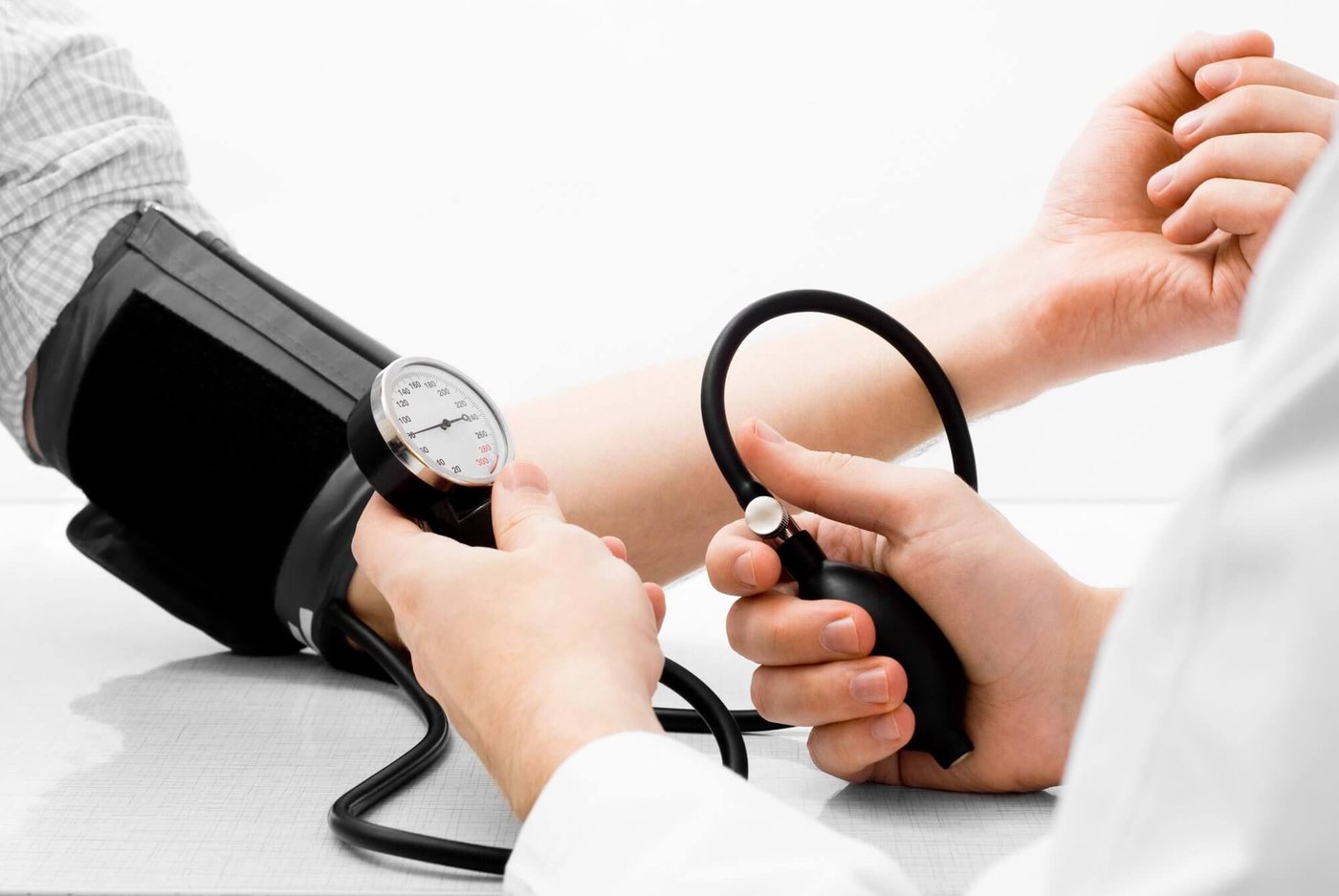
Blood pressure check. Hypertension is called the "silent killer" because it causes no symptoms until it causes a heart attack or stroke. Annual blood pressure measurement or more frequent checks if you're in a higher-risk category is among the simplest and most impactful preventive steps available.
Dental exam and cleaning. Oral health is directly connected to systemic health. Periodontal disease is associated with increased cardiovascular risk, and chronic oral infections create an inflammatory burden that extends well beyond the mouth. An annual (or biannual) cleaning isn't just about your teeth; it's part of your inflammatory management strategy.
Eye examination. Annual eye exams catch more than vision changes. Diabetic retinopathy, early signs of hypertension, glaucoma, and even early neurological changes can be detected through a comprehensive eye exam, making this an underutilized preventive tool.
Age and risk-appropriate cancer screenings. Following evidence-based screening guidelines for your age, sex, and family history is one of the highest-impact preventive actions available. These include mammograms (women, starting at 40), colonoscopy (starting at 45, or earlier with family history), cervical cancer screening (Pap smear and HPV testing), lung cancer screening for current or former heavy smokers, and prostate-specific antigen (PSA) testing for men in discussion with their physician.
The Functional Medicine Layer: What Standard Checklists Miss
Standard preventive checklists cover the reactive baseline, catching problems after they develop. Functional preventive care goes a step further, proactively identifying the underlying imbalances that create the conditions for disease in the first place.
Gut health evaluation. The gut microbiome influences immune function, hormonal balance, mood, metabolic efficiency, and inflammatory status. Many people carry significant gut dysbiosis or intestinal permeability without knowing it, because there are no obvious digestive symptoms, until there are. A comprehensive stool analysis, as part of a functional medicine workup, reveals what's happening below the surface.
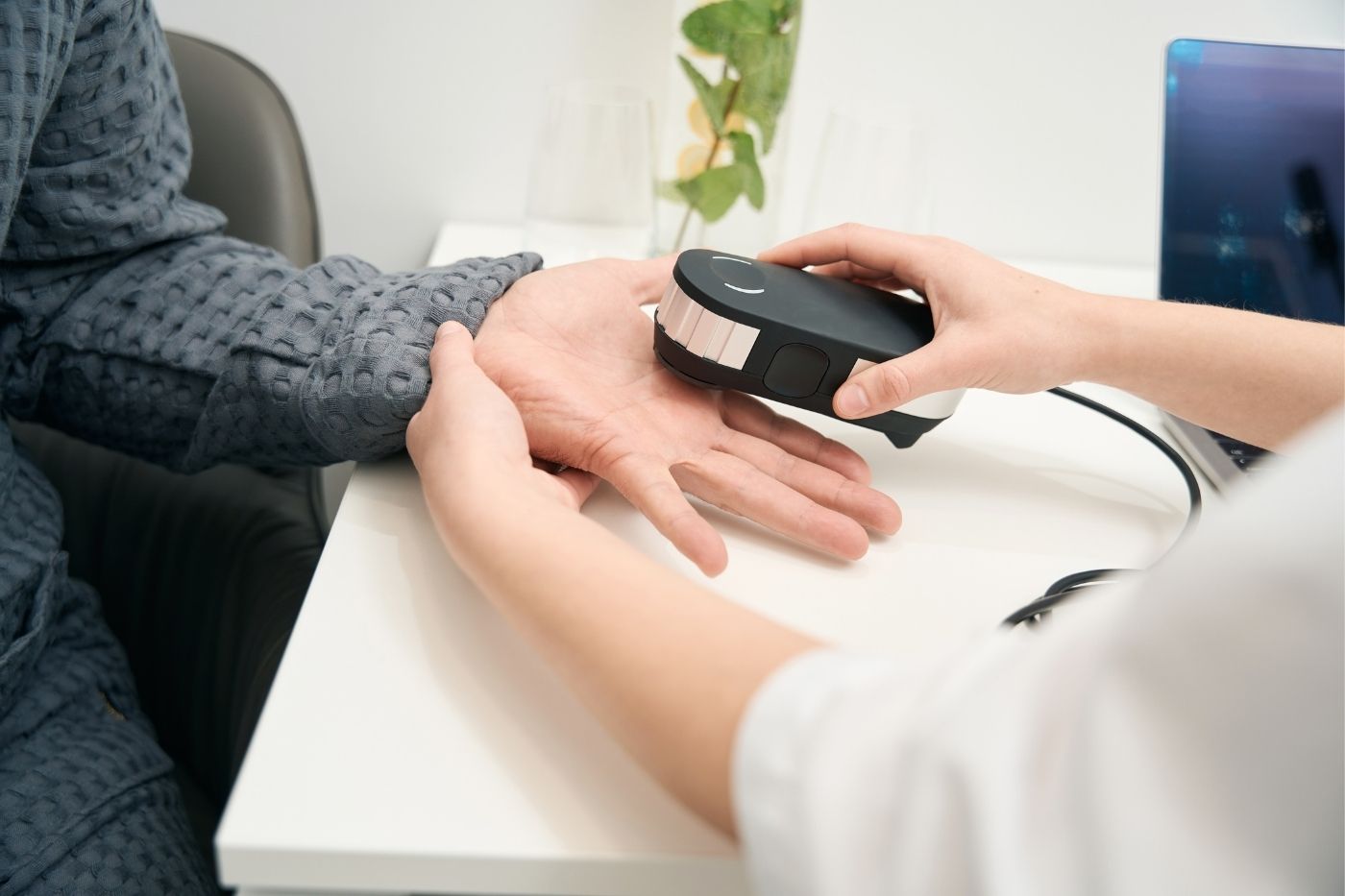
Micronutrient and heavy metal assessment. Deficiencies in key micronutrients, magnesium, zinc, B vitamins, vitamin D, and iron silently impair energy production, cognitive function, immune defense, and hormonal balance. Our OligoScan Testing provides a rapid assessment of intracellular mineral and heavy metal status, information that doesn't show up on standard blood panels.
Metabolic performance testing. Knowing your actual resting metabolic rate and how efficiently your body burns different fuel sources at various activity levels gives you a precision foundation for nutrition and exercise decisions that generic recommendations simply can't provide. Our PNOĒ Metabolic Testing delivers this data in a single session.
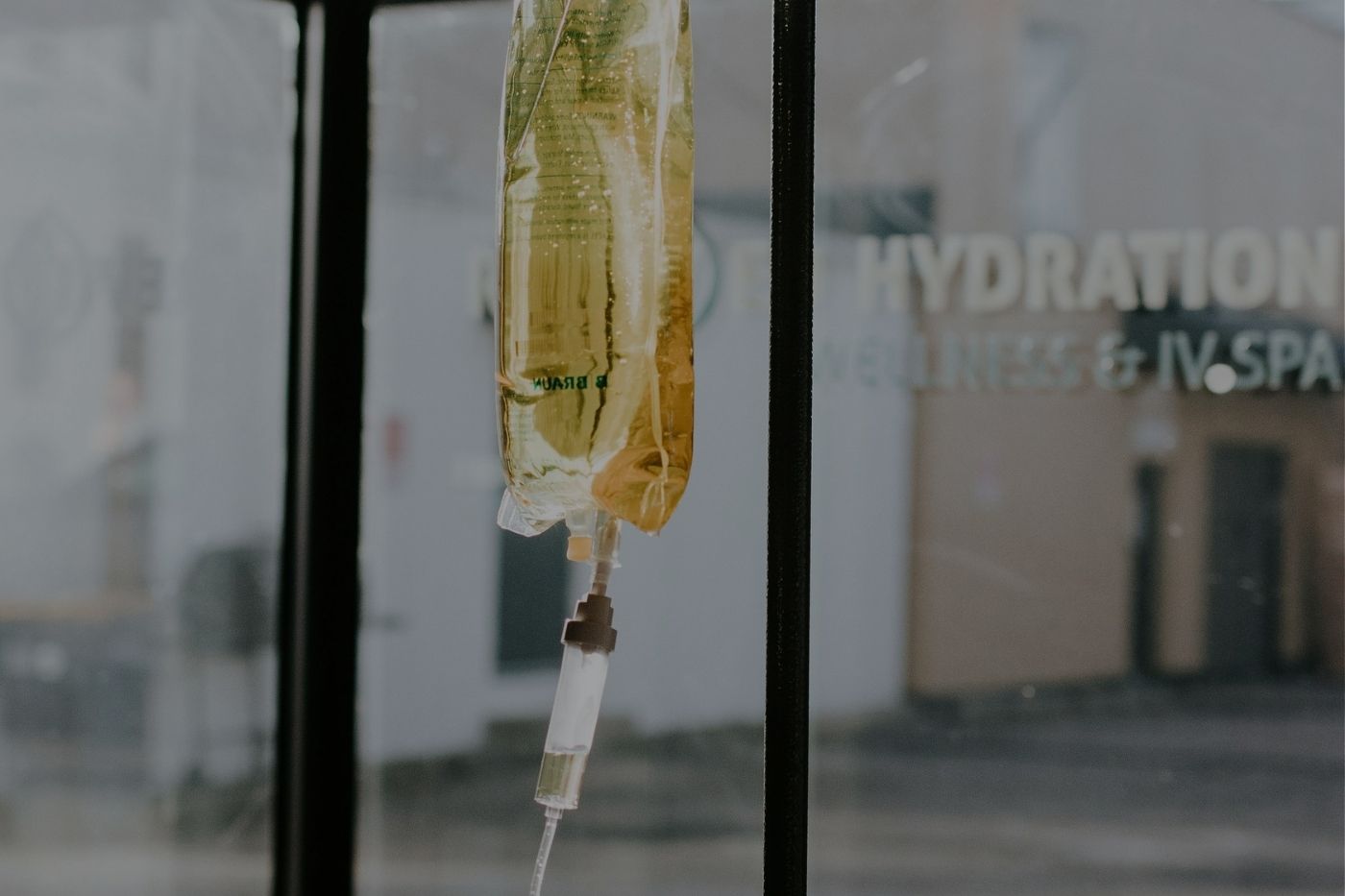
IV Nutrient Therapy for targeted repletion. For patients with identified nutrient deficiencies, compromised absorption, or periods of high physiological demand, IV Nutrient Therapy provides a fast, efficient route to repletion that bypasses the digestive limitations that often make oral supplementation insufficient.
Use This Checklist and Fill the Gaps
Preventive health isn't about perfection. It's about consistency across enough categories that your body has what it needs to stay resilient, catch problems early, and keep functioning well year after year.
Print this out. Screenshot it. Run through it at the start of each month and each year. Mark what you've done and what you've been putting off, because the things that feel easy to defer are often the ones that matter most.
And if you look at this list and realize there are significant gaps, particularly around hormonal assessment, comprehensive labs, or functional testing, that's something we can help you address directly.
At Health By Design MD in Chesterfield, MO, preventive care is not a checkbox; it's a relationship with your health, built on accurate information and a plan that's actually designed for your body.
Contact us today to schedule a comprehensive preventive health consultation and find out exactly where you stand.