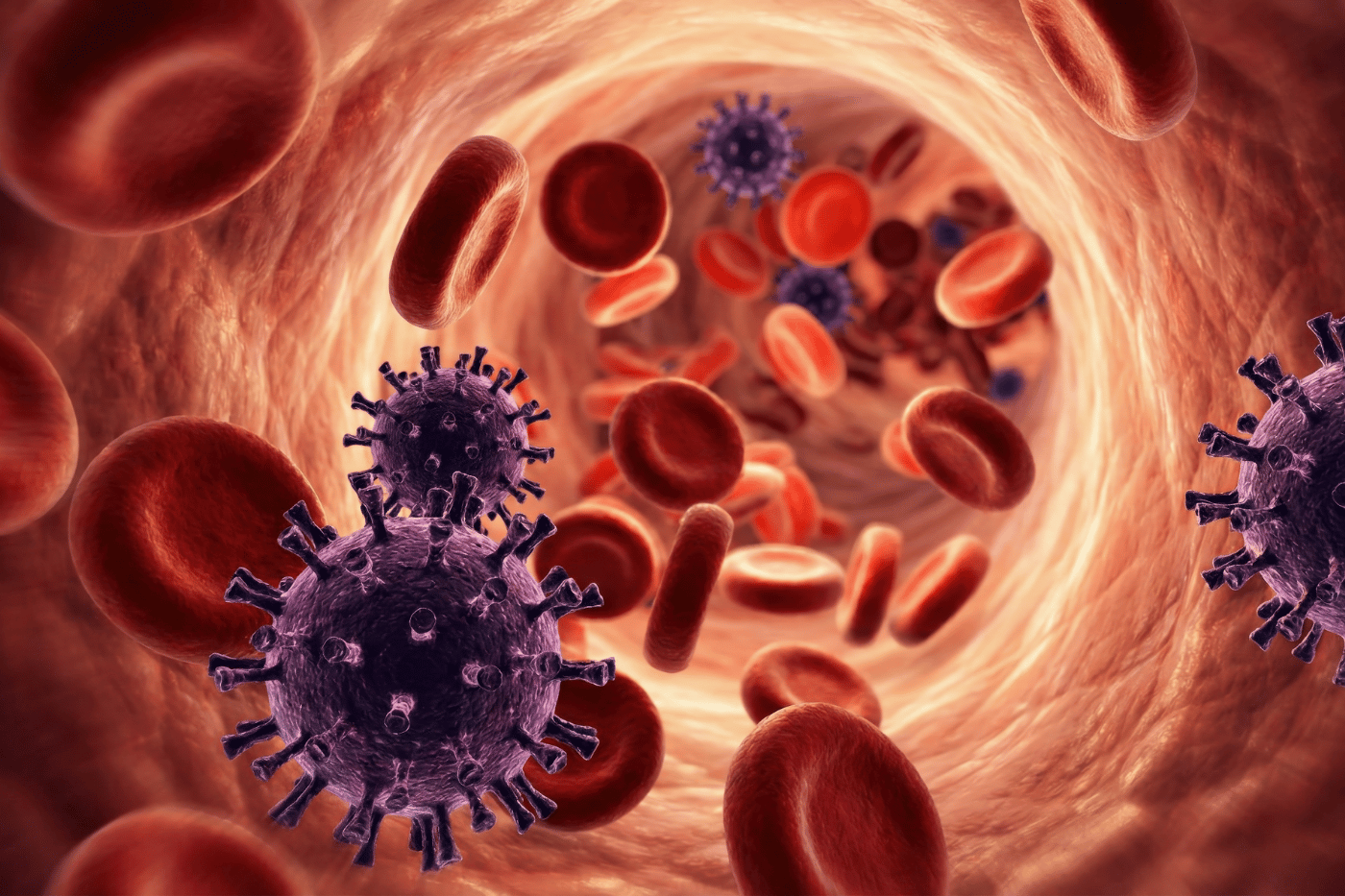
Every September, we see the same pattern in our Chesterfield practice: patients who felt fine all summer suddenly start catching every cold that comes through their household, their office, or their kids' classroom. They ask what changed. Usually, nothing changed overnight. What changed is the season, and with it, the conditions that either support or quietly undermine one of the most important systems in the body: the gut.
It's easy to think of immunity and digestion as two separate conversations. In functional medicine, they're the same conversation. Roughly 70 percent of your immune tissue lives in and around your digestive tract, in a structure called gut-associated lymphoid tissue (GALT). That means the health of your gut lining, the balance of bacteria living in your intestines, and the way your body handles inflammation from food and stress all directly shape how well you fight off the viruses that start circulating as the weather cools.
If you want to walk into cold and flu season with real resilience instead of hoping for the best, the gut is one of the highest-leverage places to start.
The Gut Is Your Immune System's Command Center
Your gut does far more than digest food. It houses trillions of bacteria, fungi, and other microorganisms collectively known as the gut microbiome, and this community does constant, active work training and regulating your immune system.
A healthy, diverse microbiome helps your immune cells distinguish between harmless substances (food, your own tissue, beneficial bacteria) and genuine threats (viruses, harmful bacteria, toxins). When that balance is disrupted, a state often called dysbiosis, the immune system can become both less effective at fighting real infections and more prone to overreacting with inflammation.
The gut lining itself acts as a physical and biochemical barrier. A healthy lining allows nutrients through while keeping undigested food particles, toxins, and pathogens out of the bloodstream. When that barrier becomes compromised, a condition commonly referred to as increased intestinal permeability, it can trigger chronic, low-grade inflammation that pulls immune resources away from where you need them most: fighting off the seasonal viruses actually trying to make you sick.
This is why we so often see the same patients dealing with digestive complaints, like bloating, irregular bowel habits, or reflux, also reporting that they get sick more often and take longer to recover than people around them. The two issues usually aren't a coincidence. They're connected at the root.
What Changes in the Gut and Immune System Each Fall
Several predictable shifts happen as summer turns to fall, and together they create a harder environment for gut and immune health than most people realize.
Daylight hours shorten, which affects circadian rhythm, and circadian rhythm has a direct relationship with both gut motility and immune cell activity. Cooler weather often means more indoor time, more shared air, and more exposure to seasonal viruses. School schedules bring more stress and more exposure to other people's germs, especially in households with children. And many people quietly shift their eating patterns in the fall, trading the fresh produce of summer for more convenience foods, more sugar, and less fiber, all of which affect the microbiome.
None of these changes are dramatic on their own. Together, they add up to exactly the kind of environment where an already-stressed gut and immune system stop keeping up.
Signs Your Gut May Be Undermining Your Immunity
Not everyone connects these dots on their own, so we look for a specific pattern in new patients heading into fall:
- Frequent bloating, gas, or digestive discomfort, especially after meals
- Irregular bowel habits, whether that means constipation, loose stools, or both
- Getting sick more often than people around you, or taking noticeably longer to recover
- Ongoing fatigue that doesn't fully resolve with rest
- Skin issues like eczema or unexplained breakouts
- Brain fog or difficulty concentrating, particularly after eating
- A history of antibiotic use, chronic stress, or a diet low in fiber and diverse plant foods
If several of these sound familiar, it's a strong signal that your gut deserves attention before flu season is in full swing, not after.
The Functional Medicine Approach to Gut-Immune Health
Conventional care tends to treat digestive symptoms and frequent illness as separate issues, addressed reactively as they come up. Functional medicine starts from a different question: what's driving both problems at the same time?
That usually starts with real data rather than guesswork. Advanced diagnostic testing can look at markers of gut inflammation, assess the diversity of the microbiome, and identify food sensitivities that may be quietly fueling inflammation. This is different from a standard panel at an annual physical, which typically isn't designed to catch these patterns at all.
From there, a personalized plan usually addresses a few key areas together: removing or reducing foods that are driving inflammation for that specific patient, rebuilding microbiome diversity through targeted diet and, when appropriate, probiotics or prebiotics, repairing the gut lining with targeted nutrients, and addressing the stress and sleep patterns that affect gut function just as much as diet does.
This is also where functional nutrition becomes especially relevant. A generic "eat more fiber" recommendation helps some people and does very little for others, depending on what's actually happening in their gut. Personalizing that guidance based on real information about your digestion and your microbiome tends to produce results that a one-size-fits-all diet simply can't.
Practical Steps to Support Gut Health This Fall
While testing and a personalized plan get to the root of the issue, there's a lot you can start doing on your own right now.
Add fermented foods regularly: Yogurt, kefir, sauerkraut, kimchi, and other fermented foods introduce live beneficial bacteria that support microbiome diversity. Even a small serving a few times a week can meaningfully shift the balance of your gut bacteria over a few months.
Prioritize fiber variety, not just quantity: Different types of fiber feed different strains of beneficial bacteria, so a wide range of vegetables, fruits, legumes, and whole grains does more for your microbiome than eating the same "healthy" foods on repeat. Aim for variety across the week rather than a single high-fiber food you rely on every day.
Cut back on added sugar: Sugar feeds less beneficial, and sometimes outright harmful, strains of bacteria in the gut, and it contributes to the kind of low-grade inflammation that quietly pulls immune resources away from fighting actual infections. This doesn't mean eliminating every treat, it means paying attention to how much added sugar is sneaking into everyday foods like sauces, breads, and drinks.
Manage stress deliberately: The gut and brain communicate constantly through what's known as the gut-brain axis, and chronic stress measurably changes gut bacteria, gut motility, and gut barrier function. Even a few minutes a day of intentional downtime, breathing exercises, or a short walk can make a real difference over time.
Protect your sleep: A large share of gut lining repair happens during sleep, and poor sleep is strongly linked to both digestive symptoms and increased susceptibility to seasonal illness. If you only change one habit this fall, prioritizing consistent, quality sleep may have the broadest impact.
Stay hydrated as the weather cools: It's easy to drink less water once iced drinks feel less appealing, but hydration supports healthy digestion, regular bowel movements, and the mucous membranes that form your body's first line of defense against airborne viruses.
Stay consistent, not perfect: The gut microbiome responds to patterns over weeks and months, not a single "clean" day or a strict week of eating well followed by a return to old habits. Small, sustainable changes made consistently beat short bursts of extreme effort every time.
These habits won't undo years of gut imbalance overnight, but they build the foundation that any deeper treatment plan depends on. Think of them as the baseline that makes everything else, from targeted supplementation to advanced testing, actually work the way it's supposed to.
The Gut, Hormones, and Immunity Are More Connected Than You'd Think
One pattern we see often in our practice is that patients focused entirely on hormone symptoms, fatigue, weight changes, mood swings, are surprised to learn how much their gut health is contributing to the picture. The gut plays a direct role in metabolizing and regulating hormones like estrogen, and an imbalanced microbiome can interfere with that process. It also influences thyroid function, since a healthy gut is needed to convert thyroid hormone into its active form.
This means that heading into fall with unaddressed gut issues doesn't just leave you more vulnerable to colds and flu. It can also make hormone-related symptoms harder to manage, and it can make it harder for your body to regulate the stress response that ramps up with shorter days and busier schedules. Addressing the gut rarely fixes everything on its own, but it removes one of the most common hidden obstacles standing in the way of feeling better across the board.
Common Myths About Gut Health and Immunity
"I don't have digestive symptoms, so my gut is fine." Gut imbalance doesn't always show up as bloating or discomfort. Some people experience it primarily as fatigue, frequent illness, skin issues, or mood changes, with digestion feeling more or less normal. This is part of why testing, rather than symptoms alone, is so useful.
"Probiotics alone will fix an imbalanced microbiome." Probiotic supplements can be a helpful piece of a plan, but they're rarely enough on their own if diet, stress, and gut lining integrity aren't also addressed. Think of probiotics as one tool among several, not a standalone fix.
"If it's not causing a major problem, it's not worth addressing." Low-grade gut inflammation can operate quietly for years before it shows up as a bigger issue. Addressing it proactively, especially heading into a season that's harder on the immune system, tends to be far easier than addressing it after it's contributed to a bigger health concern.
"Once you fix your gut, it stays fixed." Gut health is dynamic and responds to ongoing habits, stress levels, and life changes. A personalized plan isn't a one-time fix so much as an ongoing relationship with your own body's signals, adjusted as needed over time.
When to Consider Deeper Testing
If you've tried the basics and you're still dealing with digestive symptoms, frequent illness, or both, that's usually the signal that something more specific is going on, something worth identifying rather than continuing to guess around. This is especially true if you're heading into fall already feeling run down, or if last year's cold and flu season felt harder on you than it did on the people around you.
Advanced diagnostic testing can identify the specific triggers and imbalances driving your symptoms, which turns "eat healthier and hope for the best" into an actual, targeted plan. It's also worth a conversation if you have a history of autoimmune symptoms, chronic fatigue, or digestive issues that have never been fully explained.
Frequently Asked Questions
How long does it take to improve gut health?
Most patients start noticing changes in digestion within two to four weeks of consistent dietary and lifestyle changes, though meaningful shifts in microbiome diversity and immune resilience typically take two to three months to fully develop. This is part of why starting in September, rather than waiting until you're already sick, makes such a difference.
Do I need testing, or can I just start with diet changes?
Diet and lifestyle changes are a reasonable starting point for anyone, and the steps outlined above are safe to begin right away. Testing becomes especially valuable if you've already tried the basics without improvement, or if you're dealing with a pattern of symptoms that suggests something more specific is driving the imbalance.
Can kids and teens benefit from this approach too?
Yes. Growing bodies and busy school schedules put similar pressure on gut and immune health, and many of the same foundational habits, fiber variety, limiting added sugar, consistent sleep, apply just as much to children and teens as they do to adults.
Is this only relevant for people with digestive symptoms?
Not at all. Some of the patients who benefit most from this approach have no obvious digestive complaints at all, just a pattern of getting sick often, feeling tired, or not bouncing back the way they used to. The gut can be a hidden factor even when it isn't the symptom you'd think to mention first.
Ready to Get Ahead of Cold and Flu Season?
Your gut health isn't a side note to your immune health this fall; it's one of the main drivers of it. The good news is that it's also one of the most responsive systems in the body once you know what's actually going on and address it directly, rather than through trial and error.
Contact us today to schedule a consultation and find out what your gut may be telling you about your immune resilience this season. Our team can help you build a personalized plan through Functional Medicine and Advanced Diagnostic Testing, so you head into fall and winter feeling like yourself, not playing catch-up with every virus that comes through.