
There's a pattern we see every year around this time: patients show up in October or November asking what they can take to stop getting sick, after they're already sick. The honest answer is that immune resilience isn't something you build in a week, and it definitely isn't something you build after the first cough of the season. It's built in the weeks before, through a routine, not a reaction.
The transition from summer to fall is a bigger shift for your body than most people give it credit for. Daylight hours shorten, schedules get busier, temperatures drop, and people spend more time indoors in shared air. Each of these changes puts a small amount of extra pressure on your immune system, and small pressures add up fast when they're not offset by supportive habits.
The good news is that an immune-resilient routine isn't complicated or expensive. It's a handful of consistent habits, applied steadily, that give your body what it needs to respond well when it's exposed to something. Here's how we walk patients through building one.
Why "Routine" Matters More Than Any Single Remedy
It's tempting to look for a single supplement, food, or quick fix that "boosts immunity." The truth is that your immune system doesn't work like a light switch that a vitamin C packet flips on. It works more like a garden that either gets consistent care or doesn't, and the difference shows up over weeks and months, not hours.
This is why the patients who handle cold and flu season best usually aren't the ones scrambling for remedies in November. They're the ones who quietly built a resilient baseline starting in September, so that when they are exposed to something, whether through their kids' school, an office, or travel, their body has the resources to respond quickly and recover fully.
The Core Habits of an Immune-Resilient Routine
Prioritize Sleep Like Your Immune System Depends on It, Because It Does
Sleep is when your immune system does much of its repair and regulation work, including producing and releasing proteins called cytokines that help fight infection and inflammation. Research has shown that people who sleep less than six hours a night are significantly more likely to catch a cold after exposure than those who sleep seven or more.
Consistency matters as much as quantity. Going to bed and waking up at roughly the same time each day, even on weekends, helps regulate your circadian rhythm, which in turn supports healthy immune cell activity. If you take away one habit from this list, make it protecting your sleep window.
A practical starting point is picking a wake-up time you can hold steady seven days a week, then working backward to a bedtime that gives you at least seven hours. It's a small shift on paper, but the difference between an erratic sleep schedule and a consistent one shows up clearly in how well your body handles exposure to seasonal viruses, not just in how tired you feel the next day.
Get Strategic About Vitamin D
Vitamin D levels tend to drop through fall and winter as daylight hours shorten and more time is spent indoors, and low vitamin D is strongly associated with more frequent respiratory infections. This is one of the few areas where guessing is genuinely unhelpful, since the "right" amount varies significantly from person to person based on baseline levels, skin tone, geography, and other factors.
Rather than assuming you need a specific dose, checking your actual vitamin D level through bloodwork gives you a real target instead of a guess. This is a simple addition to routine bloodwork that pays off well beyond immune health, since vitamin D also plays a role in mood, bone health, and hormone regulation.
Many patients are surprised to learn their vitamin D level is lower than they assumed, even if they spend time outside regularly, since factors like sunscreen use, skin tone, latitude, and time of year all affect how much vitamin D your body actually produces from sunlight. Testing removes the guesswork and lets any supplementation be dosed appropriately for your specific level, rather than a generic amount that may be too little to matter or more than you actually need.
Don't Overlook Zinc
Zinc plays a direct, well-documented role in immune cell development and signaling, and even a mild deficiency, which is more common than most people realize, can leave you more vulnerable when cold and flu season ramps up. Foods like meat, shellfish, legumes, and seeds are good sources, but many people benefit from a closer look at their intake, especially if their diet has become less varied through busy fall schedules.
Move Consistently, But Don't Overdo It
Moderate, regular exercise has been shown to meaningfully reduce the number of days people spend sick with upper respiratory infections. The key word is moderate. Consistent movement, like brisk walking, cycling, or strength training a few times a week, supports immune function. Prolonged, intense exercise without adequate recovery can have the opposite effect, temporarily suppressing immune activity. The goal is steady, sustainable movement rather than sporadic extremes in either direction.
If your exercise routine tends to swing between long stretches of doing nothing and occasional intense workouts, fall is a good time to smooth that pattern out. Thirty minutes of brisk walking most days does more for your immune resilience over a season than an occasional hard workout followed by days of inactivity, and it's also far easier to sustain once schedules get busier.
Take Stress Management Seriously
Chronic stress elevates cortisol, and sustained high cortisol suppresses the production and function of immune cells over time. This is one of the most underestimated pieces of an immune-resilient routine, especially heading into a season packed with school schedules, holiday planning, and shorter, darker days.
You don't need an hour of meditation to make a difference. Even short, consistent practices, a ten-minute walk, a few minutes of deep breathing, stepping away from screens before bed, add up meaningfully over weeks of practice.
What tends to matter most isn't finding the "perfect" stress-relief technique, it's finding something realistic enough that you'll actually do it consistently. A five-minute habit you do every day will do more for your immune resilience than an hour-long routine you abandon after a week. If school pickups, work deadlines, and holiday planning are already stacking up, look for stress management moments you can attach to something you're already doing, like a short walk during a lunch break or a few slow breaths before checking email in the morning.
Hydrate Consistently, Especially Indoors
Cooler weather makes it easy to drink less without noticing, since the urge to reach for water naturally declines when it's not hot outside. Indoor heating also dries out the mucous membranes in your nose and throat, which are part of your body's first line of defense against airborne viruses. Staying consistently hydrated helps keep those defenses working the way they're supposed to.
Support Your Gut
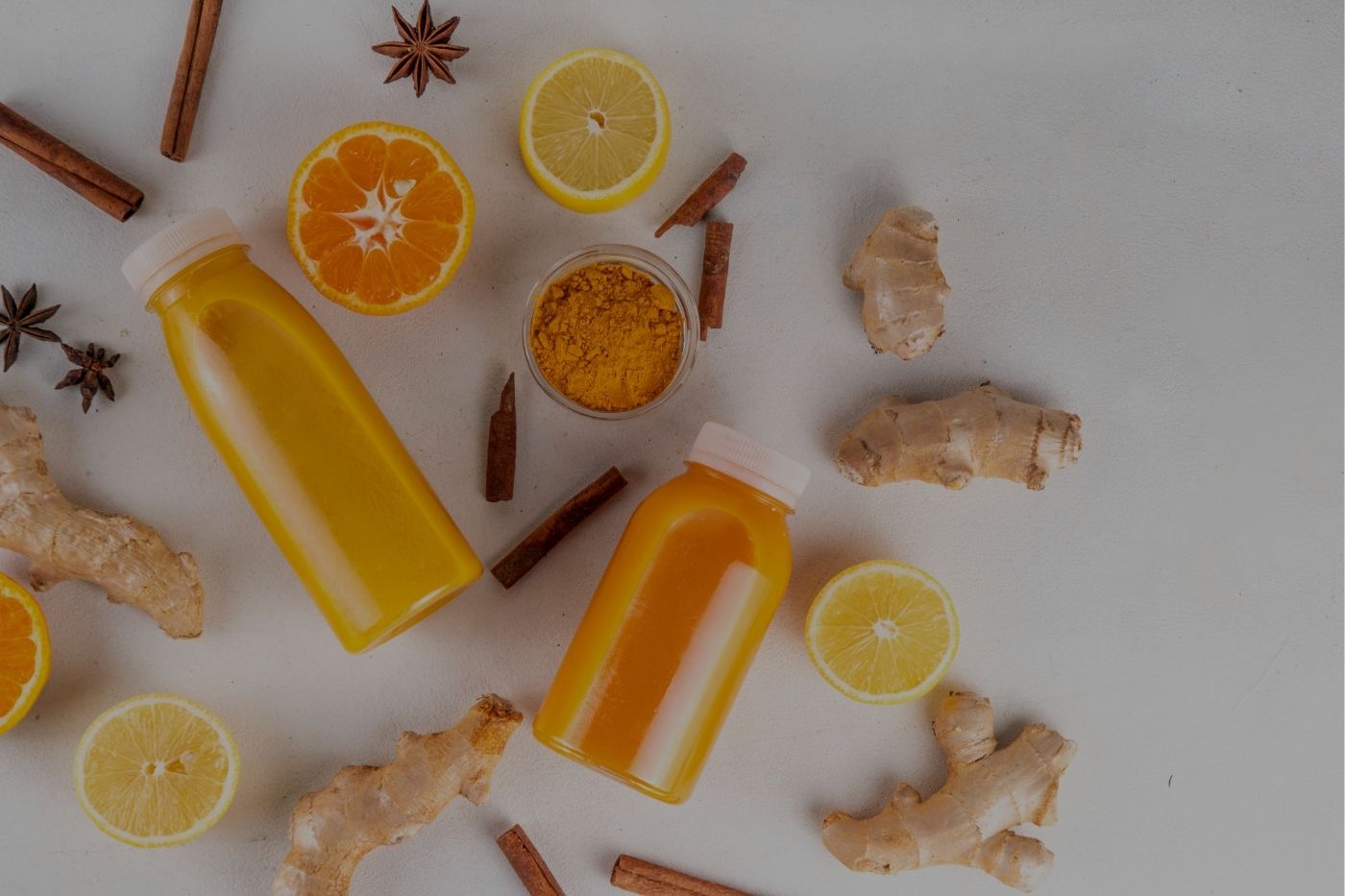
We've written elsewhere about just how much your gut health drives immune resilience, since a large share of immune tissue is located in and around the digestive tract. Fiber variety, fermented foods, and minimizing unnecessary added sugar all support the microbiome diversity your immune system depends on.
Consider IV Nutrient Therapy for Targeted Support
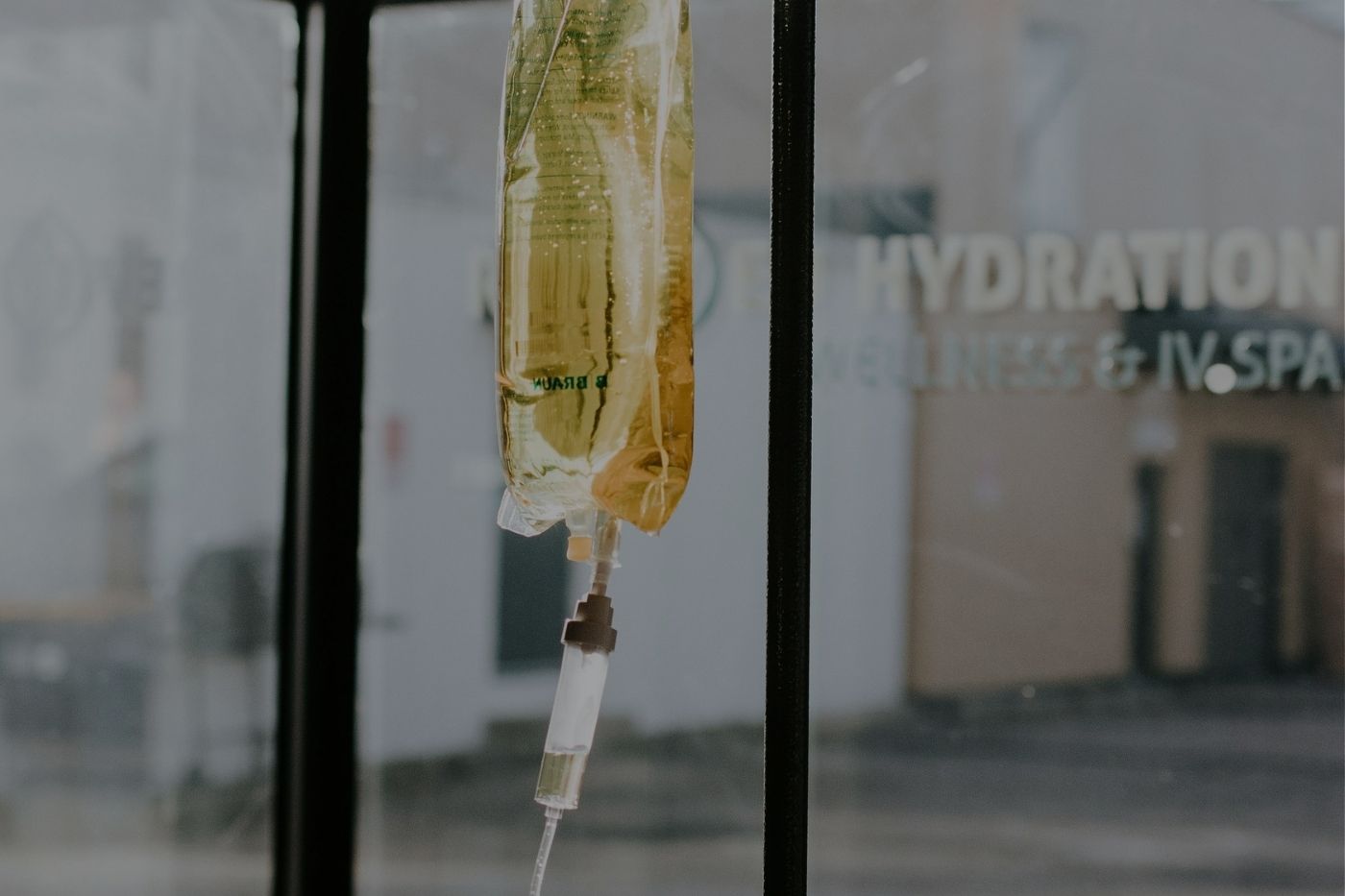
For patients who want an additional layer of support, particularly heading into a busy season or after a period of high stress, travel, or poor sleep, IV nutrient therapy delivers vitamins and minerals directly into the bloodstream at concentrations that are difficult to achieve through diet or oral supplements alone. This isn't a replacement for the daily habits above, but it can be a useful, targeted tool at the right moments.
Signs Your Current Routine Isn't Cutting It
Some patients come to us already sensing that something isn't working, even if they can't quite name what. A few patterns are worth paying attention to as the season shifts:
- You catch every cold that comes through your household or workplace, while others around you seem unaffected.
- Illnesses that used to pass in a few days now linger for a week or more.
- You feel persistently tired in a way that rest doesn't fully resolve.
- You rely heavily on caffeine to get through the afternoon, which is often a sign that sleep quality, not just quantity, needs attention.
- You've noticed your stress levels climbing as the school year or holiday planning ramps up, without any real outlet for it.
None of these signs mean something is seriously wrong. They're simply signals that your current habits aren't giving your body what it needs to keep up, and that's exactly the kind of pattern a more intentional routine, backed by real data about where you stand, is designed to address.
This Is About More Than Just Avoiding a Cold
It's worth zooming out for a moment. The habits that build immune resilience, consistent sleep, stress management, movement, good nutrition, adequate hydration, aren't just about avoiding a few days of feeling miserable with a cold. They're the same habits that support long-term metabolic health, hormone balance, and healthy aging.
This is part of why we don't treat "boosting immunity" as a separate, seasonal project disconnected from the rest of your health. A routine built well in September tends to pay dividends well beyond flu season, supporting energy levels, mood, and resilience through the entire winter and into the new year.
Get Ahead of the Season with a Full Health Assessment
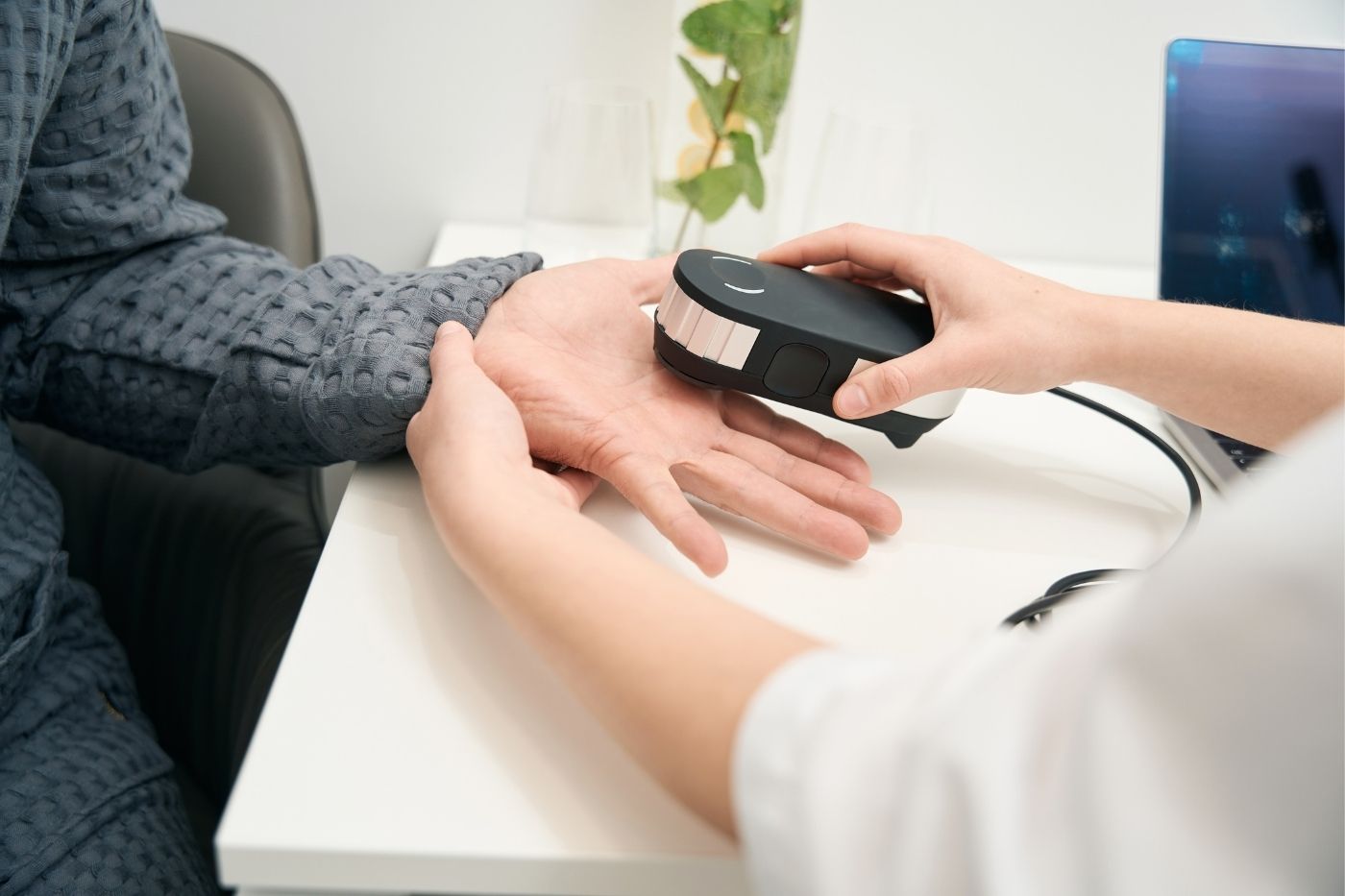
Individual habits matter, but they work best as part of a plan built around your actual numbers, not general guidelines meant for an average person. A full health assessment, including bloodwork for vitamin D, thyroid function, and inflammatory markers, gives you a real, personalized starting point instead of a list of habits applied blindly.
This is especially useful if last cold and flu season felt harder on you than it did on people around you, if you're managing a chronic health condition, or if you simply want to know where you actually stand instead of assuming.
Putting It Together: What a Realistic Routine Looks Like
None of these habits need to be perfect, and trying to implement all of them flawlessly overnight tends to backfire. A more realistic approach looks like this: protect a consistent sleep window most nights, check your vitamin D and zinc status rather than guessing, move your body most days without overtraining, build in small, repeatable stress-management moments, drink water consistently even when you don't feel thirsty, and give your gut the fiber and fermented foods it needs to keep your microbiome diverse.
Layer in occasional additional support, like IV nutrient therapy, during particularly demanding stretches, and revisit your bloodwork periodically rather than assuming last year's numbers still apply. Together, these habits build a foundation that responds well when you're exposed to something, instead of a body that's already running on empty when flu season hits.
A Few Common Questions
Isn't this basically just "eat well and sleep more"?
In a sense, yes, but the specifics matter. Knowing your actual vitamin D level, understanding how much movement is genuinely helpful versus counterproductive, and recognizing how much stress management affects immune function turns generic advice into an actual, personalized plan.
When should I start this routine?
Now is ideal. Immune resilience builds over weeks, so starting in September or early October gives your body a real head start before exposure increases through the school year and holiday season.
Do I need supplements, or can food alone cover this?
For many people, a well-rounded diet covers a meaningful share of these needs, but zinc, vitamin D, and other nutrient levels vary enough from person to person that testing, rather than assuming food alone is sufficient, gives you a clearer picture.
Ready to Build Your Plan for the Season?
An immune-resilient routine isn't about doing everything perfectly. It's about consistency across a few key habits, informed by your actual health data rather than generic advice. Contact us today to schedule a consultation and go into this season with a clear, personalized plan rather than hoping for the best. Our team can help you get a full picture of where you stand through Advanced Diagnostic Testing and build additional support into your routine with Vitamin Infusions & Injections when it makes sense for you.