
Fall allergy season in the St. Louis area tends to catch people off guard. Many patients associate allergy season with spring blooms and assume they're in the clear once summer ends, only to find themselves sneezing, congested, and reaching for antihistamines again as ragweed pollen peaks and mold spores rise from decaying leaves. For some, it's a mild nuisance. For others, it's a months-long stretch of brain fog, disrupted sleep, and a medicine cabinet full of remedies that only partially help.
Antihistamines have their place, and we're not suggesting patients throw them away if they genuinely provide relief. But for many people, relying on antihistamines alone means managing symptoms indefinitely without ever addressing why the immune system is reacting so strongly to begin with. A functional medicine approach asks a different question: what's driving this immune overreaction, and can we calm the underlying pattern rather than just blocking the histamine response every single day?
What's Actually Happening During an Allergic Reaction
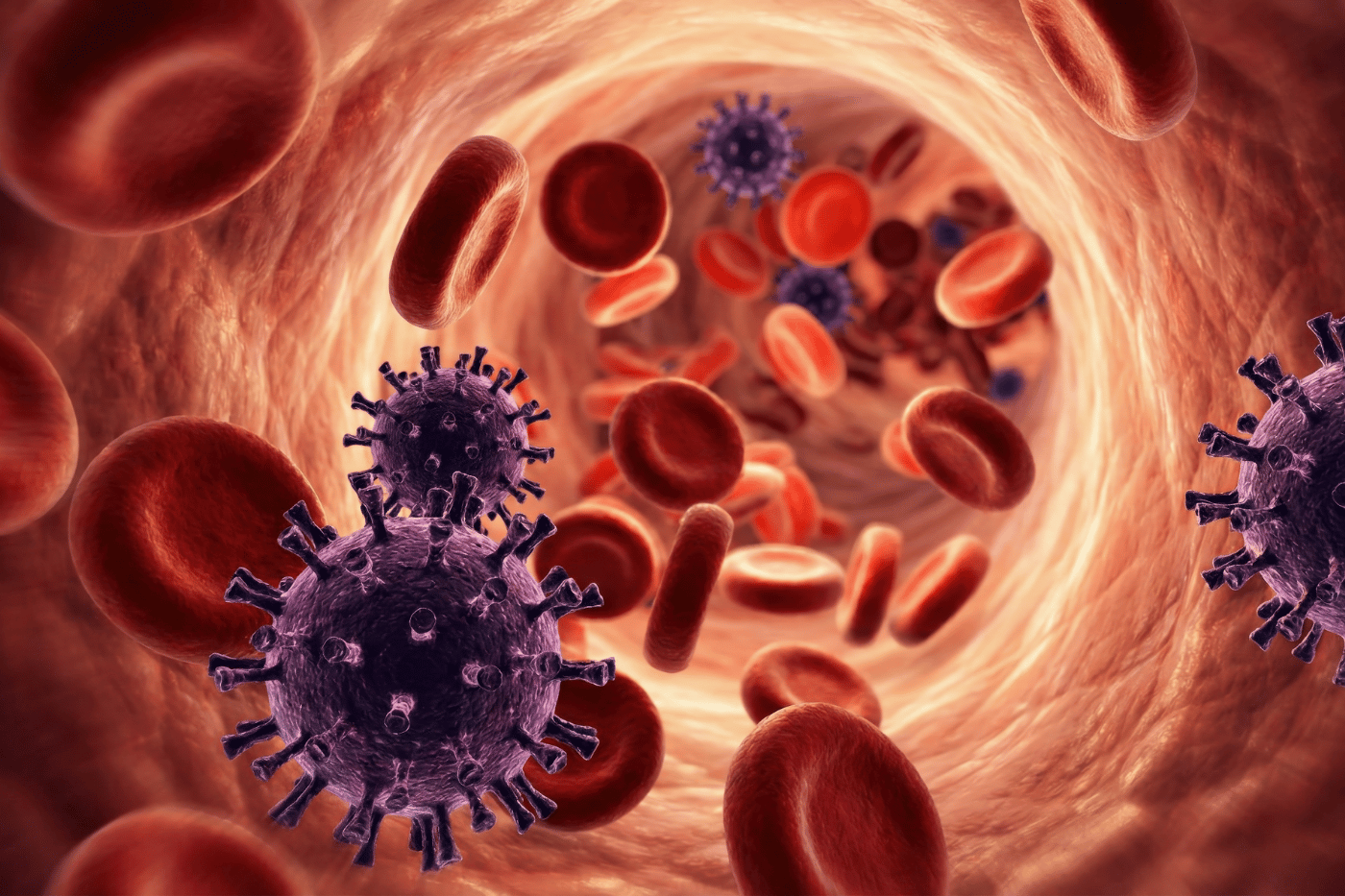
Seasonal allergies happen when your immune system misidentifies a harmless substance, pollen, mold spores, dust, as a threat. In response, immune cells release histamine and other inflammatory chemicals, producing the familiar symptoms: sneezing, congestion, itchy eyes, and fatigue.
Antihistamines work by blocking histamine's effects after it's already been released. That's genuinely useful for managing acute symptoms, but it doesn't change the underlying sensitivity that caused your immune system to overreact in the first place. Think of it as addressing the alarm going off rather than the reason the alarm keeps triggering.
Why Some People React More Than Others
Not everyone exposed to the same pollen count reacts the same way, and this is where a functional medicine lens becomes useful. A few factors we look at closely in patients with significant seasonal allergies include the following.
Gut health and immune regulation: A large share of your immune system's activity is regulated through the gut, and an imbalanced gut microbiome, sometimes called dysbiosis, is associated with a more reactive, poorly regulated immune response, including a stronger tendency toward allergic reactions. Patients with digestive symptoms alongside their allergies often see meaningful improvement in both when the gut is addressed directly.
Overall inflammatory load: Chronic low-grade inflammation from diet, stress, poor sleep, or an underlying undiagnosed condition can make the immune system generally more reactive, which shows up as a stronger response to allergens that might otherwise cause only mild symptoms.
Histamine intolerance: Some patients don't just react strongly to pollen, they also react to high-histamine foods like aged cheese, fermented foods, wine, and cured meats. This suggests the issue isn't only about allergen exposure, but about the body's overall capacity to break down and clear histamine, often related to gut health and specific enzyme activity.
Undiagnosed food sensitivities: Ongoing, low-grade immune activation from a food sensitivity can keep the immune system in a heightened, reactive state, making seasonal allergen exposure feel more intense than it would otherwise.
Nasal and sinus microbiome: Emerging research suggests that the bacterial community in your nasal passages and sinuses plays a role in how your body responds to inhaled allergens, similar to the way the gut microbiome shapes broader immune function.
Signs Your Allergies May Have a Deeper Root Cause
A few patterns suggest that antihistamines alone aren't addressing the full picture:
- Allergy symptoms that seem to get worse year over year rather than staying consistent
- Symptoms that persist for months rather than clearing up after the peak of a specific pollen season
- Digestive symptoms, like bloating or irregular bowel habits, alongside allergy symptoms
- Reactions to a wide range of triggers: pollen, certain foods, pet dander, fragrances
- Fatigue and brain fog that seem disproportionate to how "mild" your allergies are supposed to be
- Limited or diminishing relief from antihistamines over time, requiring higher doses or additional medications to get the same effect
If several of these sound familiar, it's a sign that your immune system's overall reactivity, not just your exposure to pollen, may be the bigger issue.
It's worth noting that these patterns often build gradually over several years rather than appearing suddenly. Many adult patients tell us they had mild or no seasonal allergies earlier in life, only to develop a more significant reaction pattern in their thirties, forties, or beyond. This shift is frequently tied to accumulating gut imbalance, chronic low-grade inflammation, or an undiagnosed food sensitivity that's built up quietly over time, rather than a sudden, unexplained change in how your body responds to pollen.
The Functional Medicine Approach to Allergies
Rather than starting with symptom suppression, a functional medicine approach starts with identifying what's driving your particular pattern of immune reactivity. Advanced diagnostic testing can assess gut health and inflammation markers, screen for food sensitivities that may be contributing to your overall immune burden, and evaluate broader patterns of chronic inflammation that make allergic reactions more intense.
From there, treatment typically focuses on a few key areas. Gut health support, through diet, and when appropriate, targeted supplementation, aims to restore a more balanced, better-regulated immune response over time rather than a single season. Addressing identified food sensitivities can reduce your overall inflammatory load, which often makes environmental allergens feel less overwhelming even without a direct treatment aimed at pollen itself. And for patients with a histamine intolerance component, adjusting diet to reduce high-histamine foods during peak allergy season can meaningfully reduce overall symptom burden.
This doesn't mean abandoning antihistamines or other conventional allergy treatments while this deeper work happens. Many patients continue using them as needed during the adjustment period, with the goal of needing them less over time as the underlying pattern improves.
Practical Steps You Can Start This Season
While a personalized plan gets to the root cause most effectively, there's a lot you can do to reduce your symptom burden right now.
Reduce your indoor allergen load: Keep windows closed during high pollen count days, use a HEPA air filter in bedrooms, and wash bedding regularly in hot water to reduce accumulated allergens.
Rinse away allergens daily: A saline nasal rinse can physically clear pollen and mold spores from nasal passages before they trigger a significant immune response, and showering before bed helps avoid transferring outdoor allergens onto your pillow.
Support your gut: Fiber-rich, diverse plant foods and fermented foods support the microbiome diversity that helps regulate your immune system's overall reactivity, which can translate into a calmer response to seasonal allergens over time.
Watch high-histamine foods during peak season: If you notice your symptoms flare after specific meals, particularly aged cheese, wine, fermented foods, or cured meats, it may be worth reducing them temporarily during your worst weeks.
Address chronic stress: Stress affects immune regulation broadly, and patients under high stress often report more intense allergy symptoms during flare periods, independent of pollen counts.
Check the pollen forecast and plan around it: Simple timing changes, like exercising indoors on high pollen count days or changing clothes immediately after spending time outdoors, reduce your total exposure without requiring any medication at all.
Support your body's natural histamine clearance: Adequate hydration, a diet rich in vitamin C-containing foods, and limiting alcohol during peak allergy weeks can all support your body's ability to clear histamine more efficiently, reducing overall symptom load alongside whatever else you're already doing.
None of these steps require a full overhaul of your routine overnight. Picking two or three that feel realistic for your current schedule, and building from there, tends to produce better long-term results than trying to implement everything at once during the peak of a bad allergy week.
A Closer Look at Histamine Intolerance
Histamine intolerance deserves a bit more explanation, since it's one of the most overlooked pieces of chronic allergy-like symptoms. Normally, an enzyme called diamine oxidase (DAO) breaks down histamine you consume through food, keeping levels in check. When DAO activity is reduced, whether from genetics, gut inflammation, certain medications, or gut bacteria imbalances, histamine can build up in the body from food alone, on top of whatever your immune system is already producing in response to pollen or mold.
This helps explain why some patients notice their seasonal allergy symptoms feel dramatically worse after a glass of wine, a meal with leftovers, or a cheese board, even though none of those foods contain pollen. Their total "histamine bucket" is already full from environmental exposure, and diet is pushing it over the edge. For these patients, temporarily reducing high-histamine foods during peak allergy season, alongside supporting gut health more broadly, can meaningfully reduce overall symptom intensity without any change in medication.
Common Myths About Seasonal Allergies
"Allergies are just something you have to live with." For many patients, allergy severity is closely tied to gut health, overall inflammation, and specific food sensitivities, all of which can be identified and addressed. "Living with it" often means living with an unaddressed underlying pattern, not an unchangeable fact of life.
"If antihistamines work, there's no need to look deeper." Antihistamines controlling your symptoms doesn't mean nothing else is going on. Many patients on daily antihistamines still have significant underlying gut or inflammatory issues driving the severity of their reaction; the medication is simply masking it well.
"Allergies can't be connected to digestive issues." The gut is one of the most immune-active parts of the body, so digestive health and allergic reactivity are far more connected than most people assume. Patients are often surprised at how much their allergy symptoms improve when digestive issues are addressed.
"You either have food sensitivities or you don't, and it has nothing to do with pollen." Food sensitivities and histamine intolerance can raise your overall immune reactivity, making your body respond more intensely to unrelated environmental allergens like pollen and mold. The two are more connected than they appear on the surface.
When Testing Makes Sense
If you've tried the basics above and you're still relying heavily on antihistamines, or if your allergy symptoms come with digestive issues, fatigue, or reactions to foods as well as environmental triggers, that's a strong signal that testing to identify your specific pattern will get you further than continuing to manage symptoms alone. This is especially worth pursuing if your allergies have been getting progressively worse rather than staying stable, since that trend often points to an underlying inflammatory pattern that's building rather than a simple seasonal nuisance.
Frequently Asked Questions
Does this mean I should stop taking my antihistamines?
Not necessarily, and definitely not without talking to your provider first. Many patients continue using antihistamines as needed while addressing the underlying pattern, with the goal of relying on them less as their overall immune reactivity improves.
How long does it take to see improvement?
This varies by individual, but many patients notice meaningful improvement over one to two allergy seasons as gut health and overall inflammation improve, with some noticing a difference within the same season if food sensitivities or histamine intolerance are a significant factor.
Can kids benefit from this approach too?
Yes. Many of the same underlying factors, gut health, overall inflammatory load, and food sensitivities, apply to children with persistent seasonal allergies, and addressing them can reduce reliance on daily allergy medication over time.
Is this the same as allergy shots (immunotherapy)?
No, though the two aren't mutually exclusive. Allergy shots work by gradually desensitizing your immune system to specific allergens. A functional medicine approach looks more broadly at why your immune system is overreacting in general, which can complement immunotherapy for patients pursuing both.
Ready to Get to the Root of Your Allergies?
If antihistamines have become a daily necessity rather than an occasional tool, it may be time to look at what's actually driving your immune system's reactivity. Contact us today to schedule a consultation and find out what's behind your seasonal allergy pattern. Our team can help identify your specific triggers through Advanced Diagnostic Testing and build a personalized plan through Functional Medicine so you can spend less of this fall reaching for the tissue box.