Living with pain can quietly reshape your life. It limits movement, disrupts sleep, affects mood, and often forces people to adapt instead of heal. For many, the frustration grows when rest, medications, injections, or even physical therapy fail to deliver lasting relief.
Shockwave Therapy has emerged as a powerful, non-invasive treatment option for pain and recovery, especially for conditions that haven’t responded to traditional approaches. Rather than masking symptoms, it works by stimulating the body’s natural healing processes at the source of pain.
In this guide, we’ll explain what shockwave therapy is, how it works, who it’s best for, and why it’s becoming a trusted option in modern regenerative and integrative care.
What Is Shockwave Therapy?
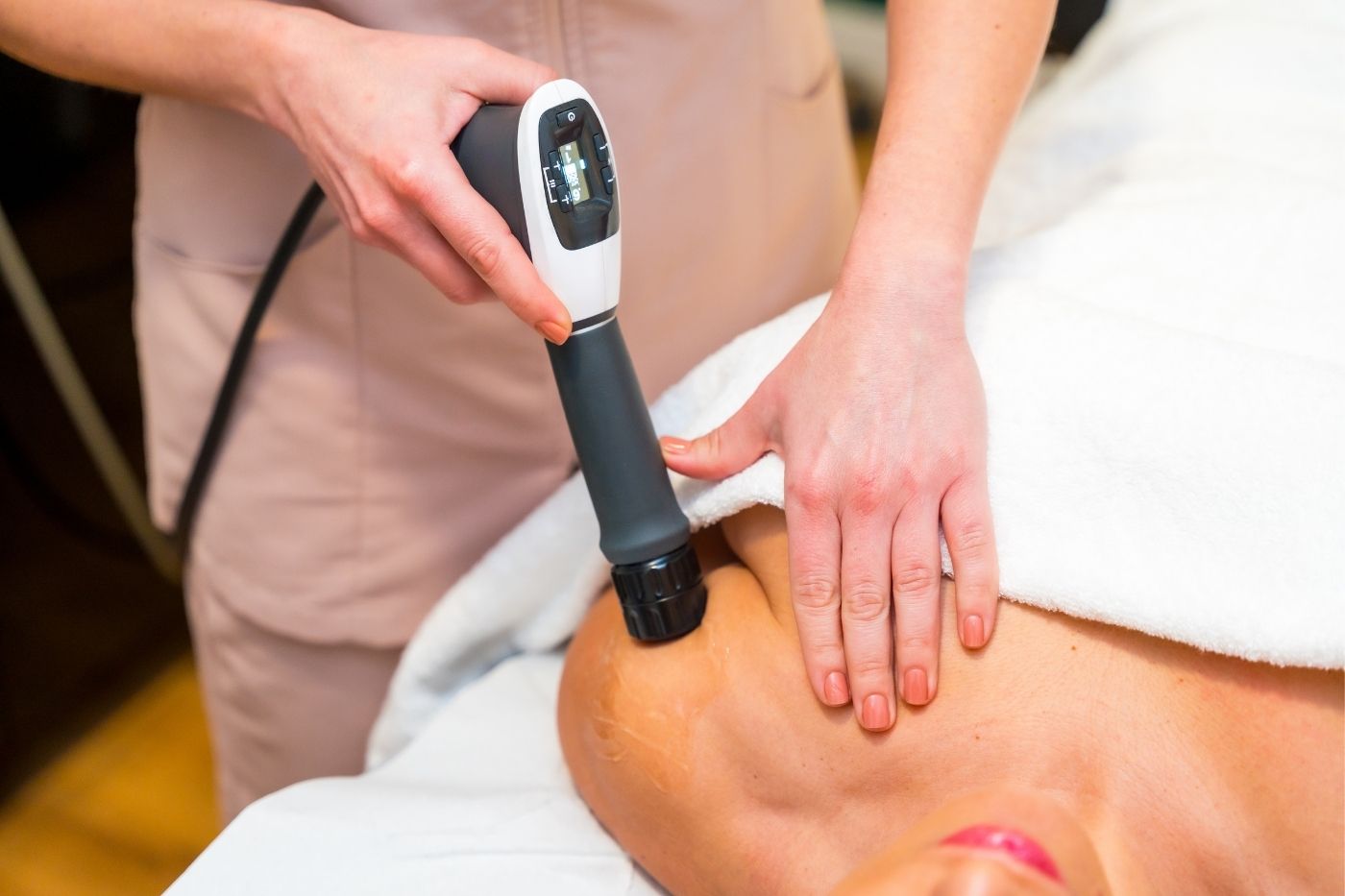
Shockwave therapy, also known as extracorporeal shockwave therapy (ESWT), uses targeted acoustic waves to stimulate healing in injured or chronically painful tissues. These sound waves are delivered through the skin to affected areas, where they trigger biological responses that support repair and regeneration.
Unlike surgery or injections, shockwave therapy is non-invasive and does not rely on medications. Instead, it activates the body’s own ability to heal by improving circulation, breaking down damaged tissue, and encouraging new tissue formation.
How Shockwave Therapy Works in the Body
Pain often persists because tissue healing has stalled. Poor blood flow, chronic inflammation, scar tissue, or repeated strain can prevent the body from fully repairing itself. Shockwave therapy helps interrupt this cycle.
The acoustic waves create controlled micro-stimulation in the tissue, which signals the body to increase blood flow and initiate a healing response. Over time, this process helps reduce inflammation, promote tissue regeneration, and improve mobility.
Key physiological effects include:
- Increased circulation to the affected area
- Stimulation of collagen production and tissue repair
- Breakdown of calcifications and scar tissue
- Reduction of chronic inflammation
- Activation of nerve pathways that reduce pain signaling
This combination is what makes shockwave therapy particularly effective for stubborn, long-standing pain.
Conditions Commonly Treated With Shockwave Therapy
Shockwave therapy is widely used for musculoskeletal and soft tissue conditions, especially those that have not improved with rest or conventional treatments.
It is commonly used for:
- Plantar fasciitis and heel pain
- Achilles tendinopathy
- Tennis elbow and golfer’s elbow
- Shoulder pain and calcific tendinitis
- Knee pain and patellar tendinopathy
- Hip pain and bursitis
- Chronic muscle tightness or trigger points
- Certain types of joint and tendon pain
Because it targets tissue healing rather than symptom suppression, it’s often effective when other options have failed.
What Shockwave Therapy Feels Like
One of the most common questions patients ask is whether shockwave therapy is painful. Sensation varies depending on the area treated and the level of sensitivity, but most people describe it as uncomfortable rather than painful.
Treatments are brief, typically lasting 10 to 15 minutes per area. Intensity can be adjusted, and discomfort usually decreases as tissues begin to respond and heal over subsequent sessions.
Importantly, there is no anesthesia, no injections, and no downtime.
What Makes Shockwave Therapy Different From Other Pain Treatments
Many pain treatments focus on temporary relief. Medications reduce inflammation, injections calm symptoms, and rest may provide short-term improvement, but none directly stimulate tissue regeneration.
Shockwave therapy stands out because it:
- Addresses the root cause of pain, not just symptoms
- Supports long-term healing rather than short-term relief
- Is non-invasive and drug-free
- Requires minimal recovery time
- Can be combined with other therapies for better outcomes
For patients seeking a solution that supports healing rather than dependency, this approach can be a game-changer.
How Many Sessions Are Typically Needed?
Treatment plans vary depending on the condition, severity, and how long the pain has been present. Many patients notice improvement within a few sessions, while chronic conditions may require a short series of treatments.
Progress often continues even after sessions are completed, as the body keeps responding to the healing stimulus over time.
Is Shockwave Therapy Safe?
When performed by trained professionals using appropriate protocols, shockwave therapy is considered safe and well-tolerated. Side effects are generally mild and temporary, such as slight soreness or redness at the treatment site.
Because it does not involve medication or surgery, it avoids many of the risks associated with more invasive interventions.
A proper evaluation ensures the therapy is appropriate for your specific condition and health history.
Who Is a Good Candidate for Shockwave Therapy?
Shockwave therapy may be especially helpful for individuals who:
- Have chronic pain lasting longer than expected
- Have not improved with rest, physical therapy, or medications
- Want to avoid injections or surgery
- Are seeking a regenerative, non-invasive option
- Want to return to movement and activity safely
A personalized assessment helps determine whether this therapy fits your goals and condition.
Why Shockwave Therapy Works Best as Part of a Personalized Plan
Pain does not exist in isolation. Movement patterns, muscle imbalances, inflammation, and lifestyle factors all influence recovery. That’s why shockwave therapy is most effective when integrated into a broader treatment strategy.
At Health by Design, shockwave therapy is used as part of a personalized care plan that may also include movement guidance, rehabilitation, and integrative strategies to support long-term recovery, not just short-term relief.
FAQs: Shockwave Therapy for Pain & Recovery
How soon will I feel results?
Some people feel relief after the first session, while others notice gradual improvement over several weeks as healing progresses.
Is shockwave therapy FDA-approved?
Yes, shockwave therapy is FDA-approved for certain musculoskeletal conditions and widely used in clinical settings.
Can I continue normal activities after treatment?
In most cases, yes. Light activity is encouraged, though your provider may recommend temporary modifications depending on the condition treated.
Does shockwave therapy replace physical therapy?
It can complement physical therapy but does not always replace it. Combining approaches often leads to better outcomes.
A Smarter Approach to Pain Relief
Pain changes how you move, sleep, and live, but it doesn’t have to define your future. Shockwave therapy offers a science-backed, non-invasive way to support real healing and recovery.
If you’ve been managing pain without lasting results, it may be time to explore a treatment that helps your body heal and not just cope.