Prolozone therapy is an injection-based treatment that combines medical-grade oxygen-ozone gas with nutrients and other substances to address joint and soft-tissue discomfort. It is offered by some integrative and regenerative medicine practices as a nonsurgical option for patients seeking additional ways to manage persistent pain.
How Prolozone Therapy Works
People commonly explore Prolozone therapy for knee discomfort, arthritis-related symptoms, shoulder pain, and other musculoskeletal concerns.
At Health By Design MD in Chesterfield, Missouri, Prolozone therapy is offered as part of an individualized approach to joint and musculoskeletal health.
In This Guide:
- What Prolozone therapy is
- How Prolozone injections work
- Potential benefits for joint pain
- Conditions commonly treated
- What to expect during an appointment
- Recovery and treatment frequency
- Safety considerations and current research
What Is Prolozone Therapy?
Prolozone therapy is a regenerative-style injection technique that combines principles of prolotherapy and ozone therapy.
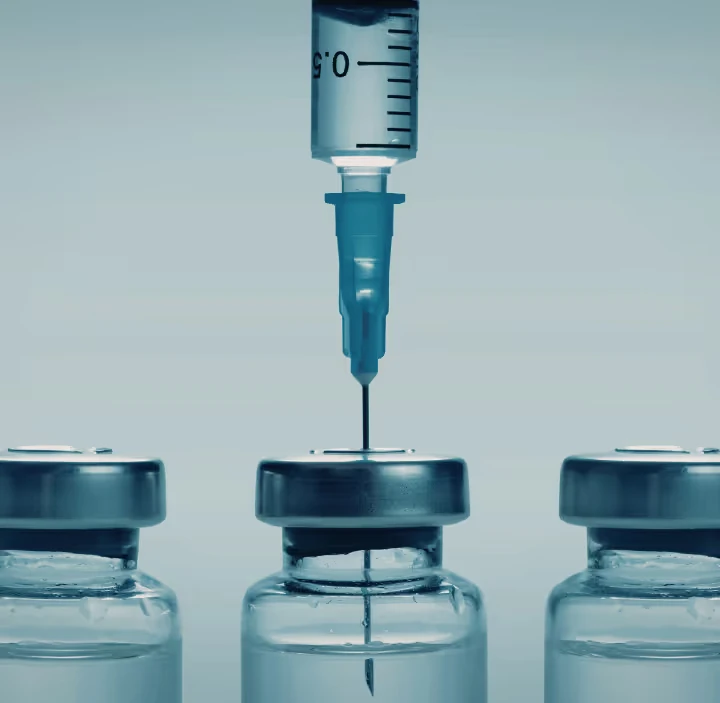
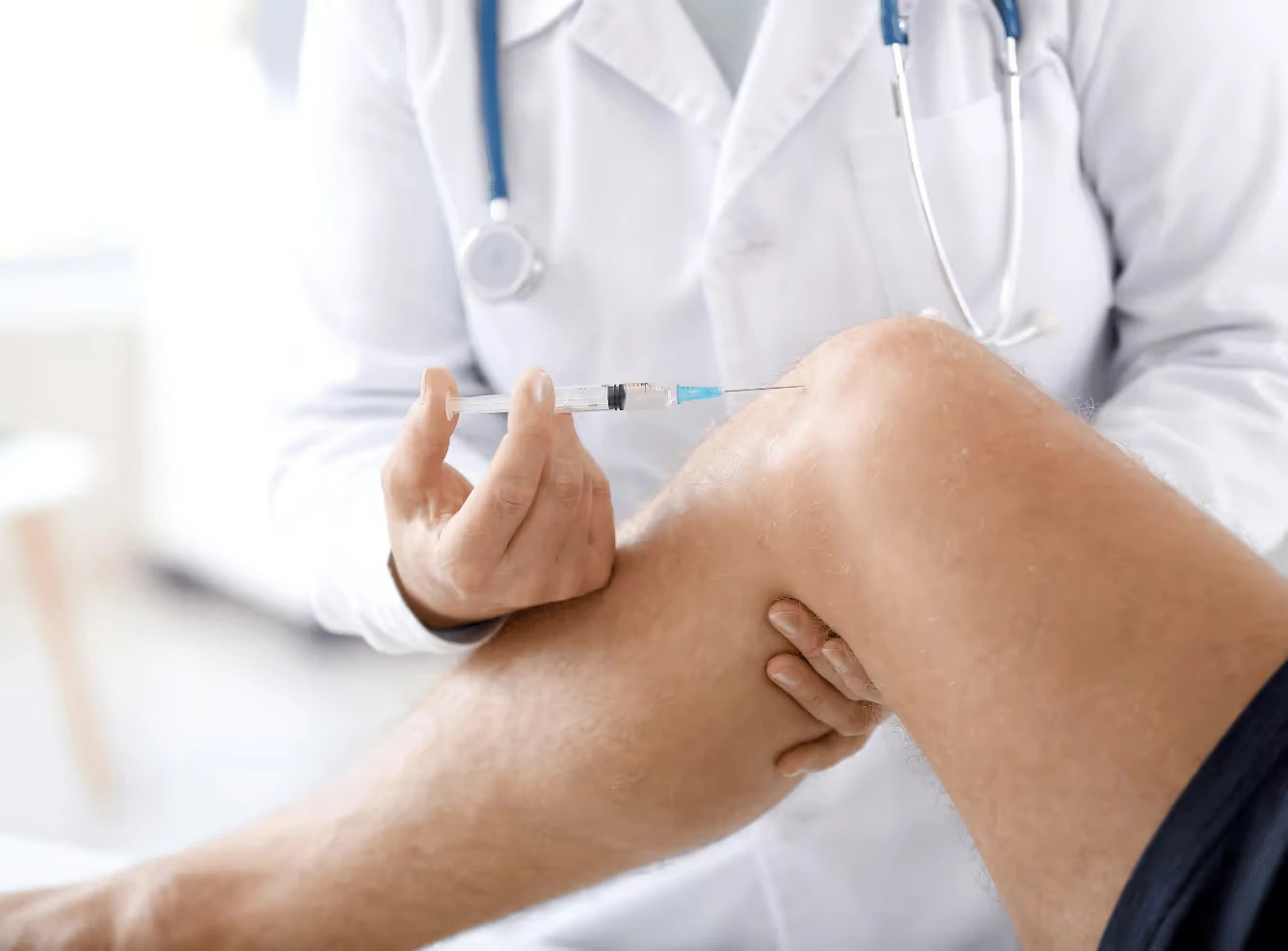
The treatment generally involves injecting nutrients and an oxygen-ozone mixture into or around a targeted joint or soft-tissue area.
Depending on the provider's protocol, the solution may include:
- Medical-grade oxygen-ozone gas
- B vitamins
- Minerals
- Amino acids
- Local anesthetic or other selected ingredients
The treatment is designed to address areas experiencing persistent discomfort, stiffness, or reduced mobility.
Unlike surgical procedures, Prolozone injections are administered in an outpatient setting without incisions or general anesthesia.
How Does Prolozone Therapy Work?
Prolozone therapy is based on the proposed effects of oxygen-ozone mixtures and supportive nutrients on local tissue processes.
Based on the proposed effects of oxygen-ozone mixtures and supportive nutrients on local tissue processes.
- Oxygen-ozone administration: A carefully prepared oxygen-ozone mixture is introduced into a selected treatment area.
- Nutrient support: Vitamins, minerals, and amino acids that participate in normal cellular functions and connective-tissue metabolism.
- A targeted treatment approach: Injections are directed toward specific areas rather than administered throughout the body.
Prolozone Therapy Mechanisms:
Oxygen-Ozone Administration
Ozone is a reactive form of oxygen consisting of three oxygen atoms.
Prolozone practitioners use a carefully prepared oxygen-ozone mixture that is introduced into a selected treatment area.
Nutrient Support
The nutrient portion of Prolozone treatment may contain vitamins, minerals, and amino acids.
These substances participate in normal cellular functions and connective-tissue metabolism.
A Targeted Treatment Approach
Prolozone injections are directed toward specific areas rather than administered throughout the body.
For example, a provider treating knee discomfort evaluates the affected joint and surrounding structures before identifying the appropriate injection site.
What Are the Benefits of Prolozone Therapy?
Patients often explore Prolozone therapy because they want to manage joint discomfort while maintaining mobility and daily activity.
Common treatment goals include:
Reduced Joint Discomfort
Pain relief is one of the primary reasons people consider ozone-based joint injections.
Research involving intra-articular ozone injections for knee osteoarthritis has reported improvements in pain scores for some patients, particularly over shorter follow-up periods.
Improved Mobility and Daily Function
Joint discomfort can make ordinary activities difficult, including walking, climbing stairs, exercising, or standing for extended periods.
Reducing discomfort may help patients participate more comfortably in physical activity and rehabilitation.
A Nonsurgical Treatment Option
Prolozone injections do not require surgical incisions or general anesthesia.
The procedure is performed in an outpatient setting, allowing patients to discuss an additional intervention without immediately pursuing surgery.
Personalized Treatment Planning
Prolozone may be incorporated into a broader musculoskeletal care plan based on the patient's health history, physical findings, and functional goals.
Treatment experiences and responses vary between individuals.
What Types of Joint Pain Are Treated With Prolozone?
Prolozone therapy is offered for several joint and soft-tissue complaints.
| Treatment Area | Common Reasons for Consultation |
|---|---|
| Knees | Osteoarthritis, stiffness, persistent discomfort |
| Shoulders | Shoulder pain, rotator cuff-related symptoms |
| Hips | Arthritis-related discomfort, limited movement |
| Back and neck | Chronic musculoskeletal pain and stiffness |
| Elbows | Tennis elbow and other overuse complaints |
| Feet and ankles | Plantar fascia and tendon-related discomfort |
What Happens During a Prolozone Therapy Appointment?
A Prolozone therapy session generally includes an evaluation, preparation, injection procedure, and aftercare guidance.
A session generally includes an evaluation, preparation, injection procedure, and aftercare guidance.
- 1Comprehensive evaluationYour provider reviews your symptoms, medical history, and previous treatments.
- 2Preparing the treatment areaThe clinician identifies the injection location and cleans the surrounding skin.
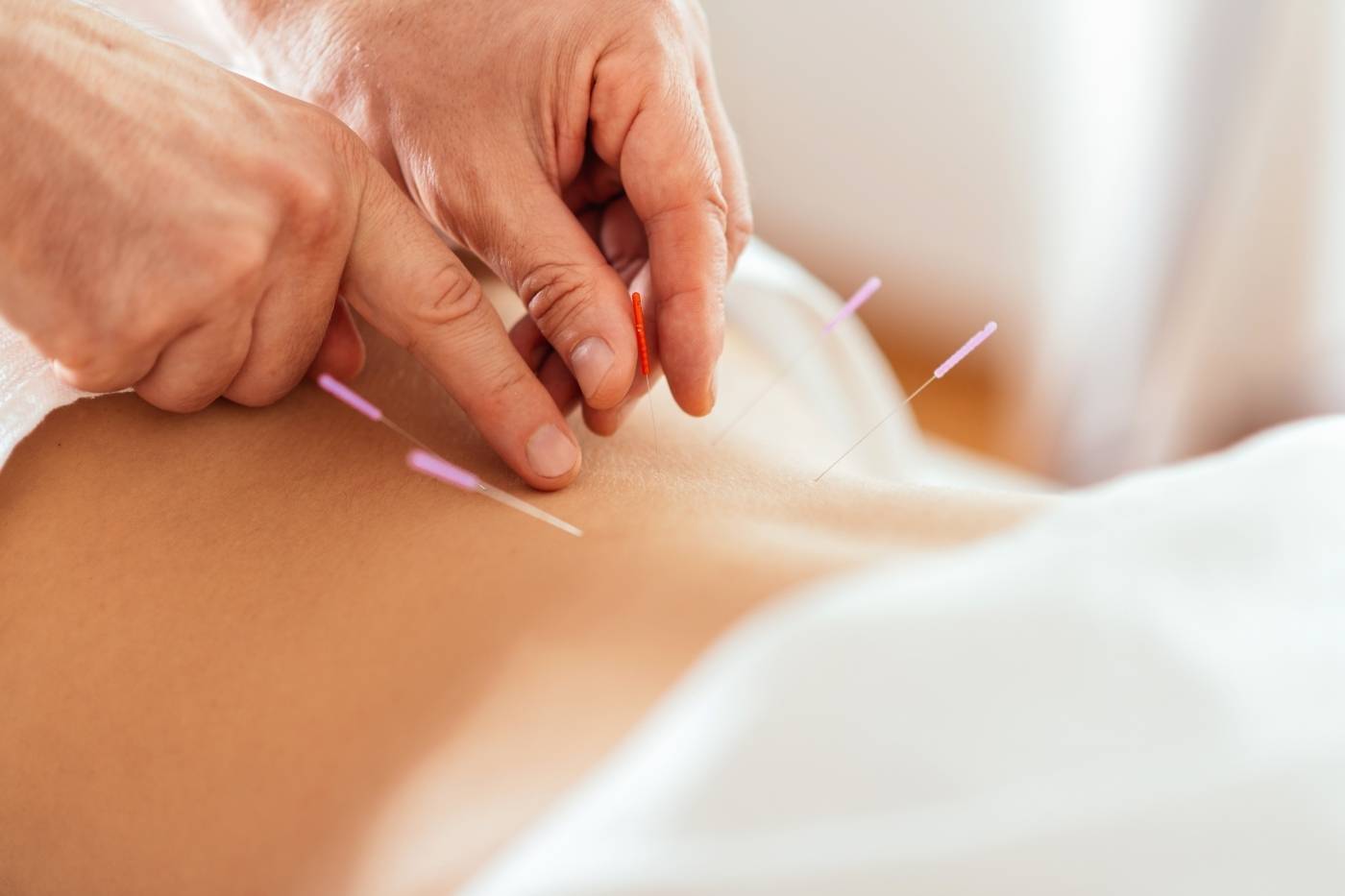
- 3Administering the injectionsA targeted nutrient injection, then an oxygen-ozone mixture in the selected treatment area.
- 4Aftercare instructionsActivity recommendations and when to return for follow-up.
Step 1: Comprehensive Evaluation
Your provider begins by reviewing your symptoms, medical history, and previous treatments.
The evaluation may include discussing:
- Where your pain occurs
- How long symptoms have been present
- Activities that worsen or improve discomfort
- Previous injuries or joint conditions
- Medications and existing medical diagnoses
- Your mobility and activity goals
Step 2: Preparing the Treatment Area
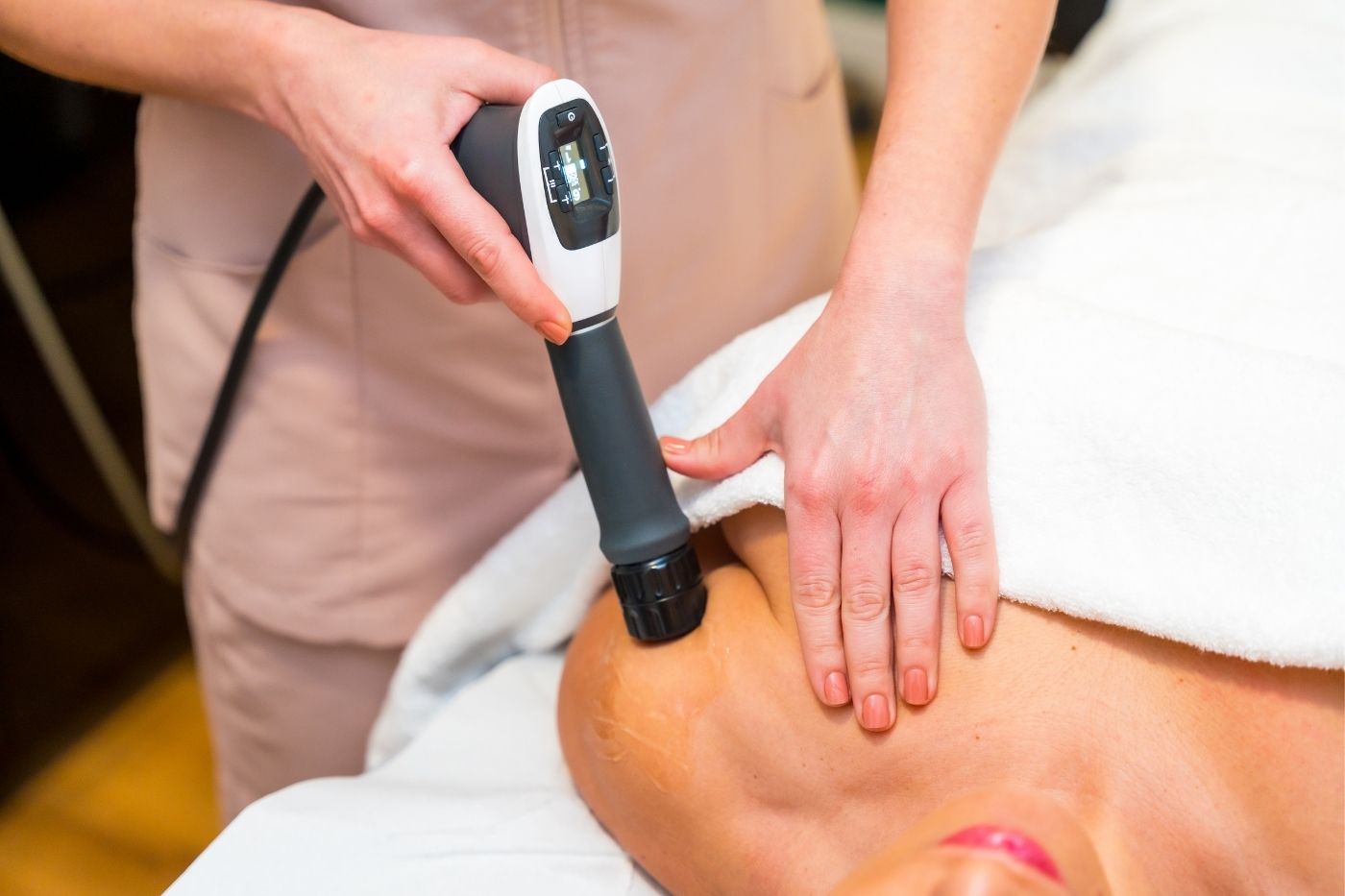
The clinician identifies the injection location and cleans the surrounding skin.
Depending on the treatment protocol, a local anesthetic may be used to improve comfort during the procedure.
Step 3: Administering the Injections
Health By Design MD describes a process that begins with a targeted nutrient injection.
An oxygen-ozone mixture is then administered into the selected treatment area.
The exact approach depends on the joint or tissue being treated and the clinician's recommendations.
Step 4: Aftercare Instructions
Following the procedure, the provider reviews activity recommendations and explains when to return for follow-up.
Health By Design MD treatment sessions typically take approximately 15–30 minutes.
Patients can discuss their work, exercise, and other activities with the care team to understand what is appropriate afterward.
How Many Prolozone Therapy Sessions Are Needed?
The number of sessions depends on the condition being addressed, its severity, and the patient's response.
Treatment plans can involve one to three sessions for some patients, while more persistent conditions may lead to discussions about additional appointments.
Sessions may be spaced several weeks apart.
During follow-up visits, the provider can evaluate changes in symptoms, mobility, and daily activities to help guide further recommendations.
How Should You Prepare for Prolozone Therapy?
Preparing for an appointment helps your provider understand your health history and treatment goals.
Consider bringing:
- Recent imaging reports
- Relevant medical records
- List of medications or supplements
How Does Prolozone Fit Into a Joint Pain Management Plan?
Managing persistent joint pain often involves more than one treatment strategy.
Depending on the diagnosis, a comprehensive plan may include:
- Physical therapy
- Strengthening exercises
- Activity adjustments
- Weight management
- Other medical interventions
For example, a person with knee discomfort may also benefit from a structured exercise program designed to improve leg strength and joint function.
The goal is to create a practical plan that considers comfort, mobility, and long-term physical activity.
What Should Patients Know About Research, Safety, and Limitations?
Prolozone therapy is an emerging treatment approach, and understanding its current evidence and safety considerations is an important part of informed decision-making.
Research:
Clinical studies have investigated ozone injections for knee osteoarthritis. A 2026 systematic review of seven trials involving 409 patients found evidence of short- and medium-term pain improvement compared with corticosteroid injections.
However, research specifically evaluating the complete Prolozone protocol remains limited.
FDA status:
Prolozone therapy is not an FDA-approved treatment for joint pain or cartilage regeneration. Its effectiveness for repairing ligaments, rebuilding cartilage, or reversing arthritis has not been established.
Potential risks:
As with other injections, complications may include temporary soreness, bruising, infection, allergic reactions to injected ingredients, or injury to surrounding tissues.
Treatment considerations:
Patients should review their medical history, medications, treatment ingredients, expected costs, and available alternatives with a qualified clinician.
Prolozone therapy is an emerging treatment approach.
Research
- Clinical studies have investigated ozone injections for knee osteoarthritis.
- A 2026 systematic review of seven trials involving 409 patients.
- Found evidence of short- and medium-term pain improvement compared with corticosteroid injections.
Limitations and FDA status
- Research specifically evaluating the complete Prolozone protocol remains limited.
- Not an FDA-approved treatment for joint pain or cartilage regeneration.
- Effectiveness for repairing ligaments, rebuilding cartilage, or reversing arthritis has not been established.
Potential risks: as with other injections, complications may include temporary soreness, bruising, infection, allergic reactions to injected ingredients, or injury to surrounding tissues. Review your medical history, medications, treatment ingredients, expected costs, and available alternatives with a qualified clinician.
Explore Prolozone Therapy in Chesterfield, Missouri
Persistent joint pain can make everyday movement, exercise, and activities more difficult.
At Health By Design MD in Chesterfield, Missouri, our team offers personalized consultations for individuals interested in Prolozone therapy and other approaches to musculoskeletal wellness.
We take time to review your symptoms, medical history, previous treatments, and health goals before discussing the available options.
Whether you're experiencing knee stiffness, shoulder discomfort, or ongoing joint pain, our team can help you explore a care plan suited to your needs.
Interested in learning more about Prolozone therapy?
Request an Appointment or call (314) 735-0780 to discuss your options at Health By Design MD.
Frequently Asked Questions About Prolozone Therapy
Is Prolozone Therapy a Surgical Procedure?
No. Prolozone therapy uses targeted injections and does not require surgical incisions or general anesthesia.
How Long Does a Prolozone Therapy Appointment Take?
Health By Design MD describes sessions lasting approximately 15–30 minutes. An initial consultation and evaluation may require additional time.
Which Joints Can Be Treated With Prolozone?
Providers offer Prolozone injections for several areas, including knees, hips, shoulders, elbows, and other musculoskeletal structures. Treatment suitability depends on the underlying condition.
How Soon Might I Notice Changes After Treatment?
Some patients report changes in discomfort or mobility after treatment, while others may notice changes gradually. Responses vary, and your provider can explain how progress will be evaluated.
Can Prolozone Therapy Be Combined With Physical Therapy?
Prolozone may be discussed alongside physical therapy, strengthening exercises, and other joint care strategies. The appropriate combination depends on your diagnosis and treatment goals.